CMMS vs. APM: Understanding the Key Differences for Healthcare Providers
Jul 21, 2026
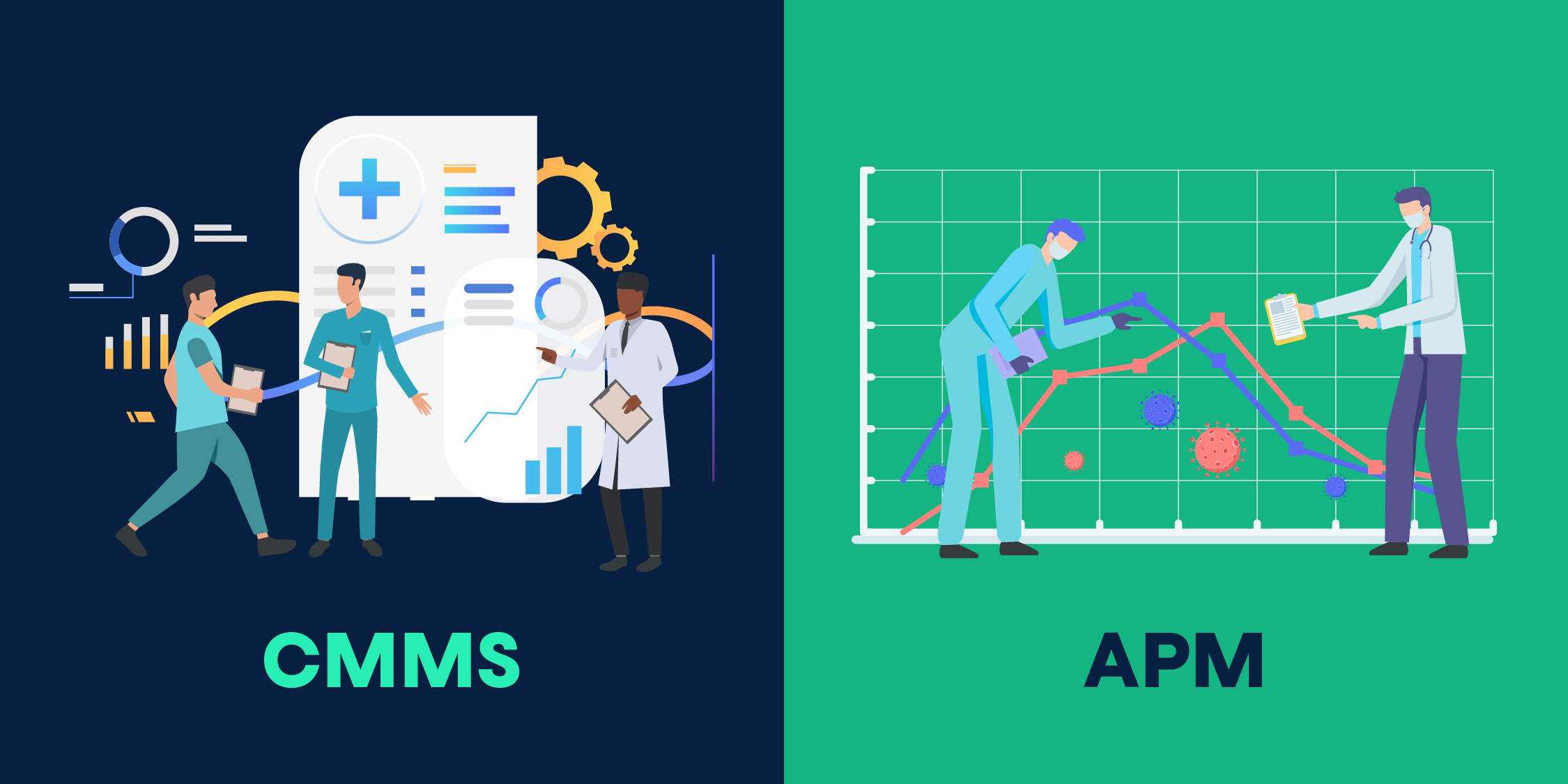
As healthcare organisations embrace digital transformation, maintenance is no longer just about fixing equipment after it breaks. Hospitals and health systems are investing in technologies that not only streamline maintenance operations but also predict failures before they impact patient care.
Two of the most important technologies in this space are Computerised Maintenance Management Systems (CMMS) and Asset Performance Management (APM). Although they are often mentioned together, they solve different challenges and deliver value in different ways.
The question isn’t whether one is better than the other, it’s understanding how each contributes to a modern healthcare maintenance strategy.
The Critical Role of Maintenance Technology in Healthcare
In healthcare settings, equipment malfunctions aren’t merely inconvenient; they can significantly impact patient care, safety, and adherence to regulations. Imagine the consequences of a malfunctioning imaging system or a breakdown in life-support equipment; the risks are substantial.
To address these challenges, contemporary maintenance strategies focus on minimising unforeseen equipment failures, extending the life of assets, adhering to regulations like those set by the Joint Commission, optimising maintenance expenses, and ensuring continuous patient care. While both Computerised Maintenance Management Systems (CMMS) and Asset Performance Management (APM) play pivotal roles in achieving these objectives, they each offer unique yet complementary benefits.
What is a CMMS?
A Computerised Maintenance Management System, or CMMS, is a software tool that helps organise and automate maintenance tasks effectively. This system plays a crucial role in ensuring healthcare facilities like hospitals run smoothly by managing maintenance operations efficiently.
In a hospital, a CMMS allows maintenance teams to handle work orders with ease, plan and schedule preventive maintenance, and keep a detailed record of all assets and equipment. It also tracks spare parts inventory and assigns specific tasks to technicians, ensuring everyone knows their responsibilities. Furthermore, it assists in generating necessary compliance and audit reports.
By consolidating all maintenance-related information, a CMMS helps teams understand exactly what tasks need attention, when they are due, and who is in charge. This clarity boosts equipment reliability and operational efficiency while ensuring the hospital meets regulatory standards.
What is APM?
Asset Performance Management, or APM, enhances the way businesses keep their equipment running efficiently. Unlike a Computerised Maintenance Management System (CMMS) that schedules and records maintenance tasks, APM takes a more strategic approach. It uses real-time data and advanced analytics to anticipate equipment issues before they disrupt operations.
In healthcare, APM plays a crucial role. It keeps a constant check on the performance of medical equipment, analyses the risk of failures, and supports maintenance strategies that are based on actual conditions and predictions. By connecting with IoT sensors and clinical systems, APM provides real-time insights. This allows healthcare providers to spot potential problems early, reduce unexpected breakdowns, boost overall efficiency, and ensure that essential medical devices are always ready for patient care.
How They Work Together in Healthcare
In the world of healthcare maintenance, CMMS (Computerised Maintenance Management Systems) and APM (Asset Performance Management) work hand-in-hand to ensure efficiency and safety. These systems are not in competition; instead, they form a cohesive maintenance framework.
Imagine a medical imaging device in a hospital. Through sensor data, APM identifies a risk, predicting that the device might fail within the next ten days. This crucial insight is then communicated to the CMMS. Automatically, CMMS generates a work order, alerting technicians. They promptly carry out maintenance tasks, preventing any disruption in patient care.
This collaboration not only maintains high standards of equipment reliability but also enhances the overall healthcare experience.
Why Healthcare Providers Are Adopting Both
Healthcare organisations are increasingly combining CMMS and APM to achieve:
1. Enhanced Patient Safety
Doctors and nurses now face fewer risks of equipment malfunctions during vital medical procedures, leading to safer outcomes for patients.
2. Minimised Interruptions
By using predictive insights, businesses can stay ahead of potential disruptions, ensuring smoother operations.
3. Improved Regulatory Compliance
Automated record-keeping and audit trails simplify the inspection process, helping companies meet regulatory standards efficiently.
4. Cost Optimisation
Avoiding failures is far less expensive than dealing with emergency repairs.
5. Lifecycle Asset Management
Track asset health and performance to plan equipment replacements, optimize capital investments, and extend asset lifespan while reducing costs.
Final Thoughts
CMMS and APM represent complementary stages in the evolution of healthcare maintenance. A CMMS provides the operational foundation by streamlining maintenance workflows, scheduling preventive tasks, managing work orders, and supporting regulatory compliance. APM builds on this foundation by leveraging real-time data, predictive analytics, and asset health insights to identify potential failures before they occur, enabling a more proactive and strategic approach to maintenance.
Rather than choosing one over the other, healthcare providers can achieve the greatest value by integrating both solutions. Together, CMMS and APM create a comprehensive maintenance ecosystem that improves equipment reliability, reduces downtime, optimises maintenance costs, and enhances compliance. Most importantly, they help ensure that critical medical equipment remains available when it is needed most, supporting uninterrupted clinical operations and delivering safer, higher-quality patient care.