Reducing Medical Equipment Downtime: Strategic Approaches for Modern Healthcare
Feb 25, 2026
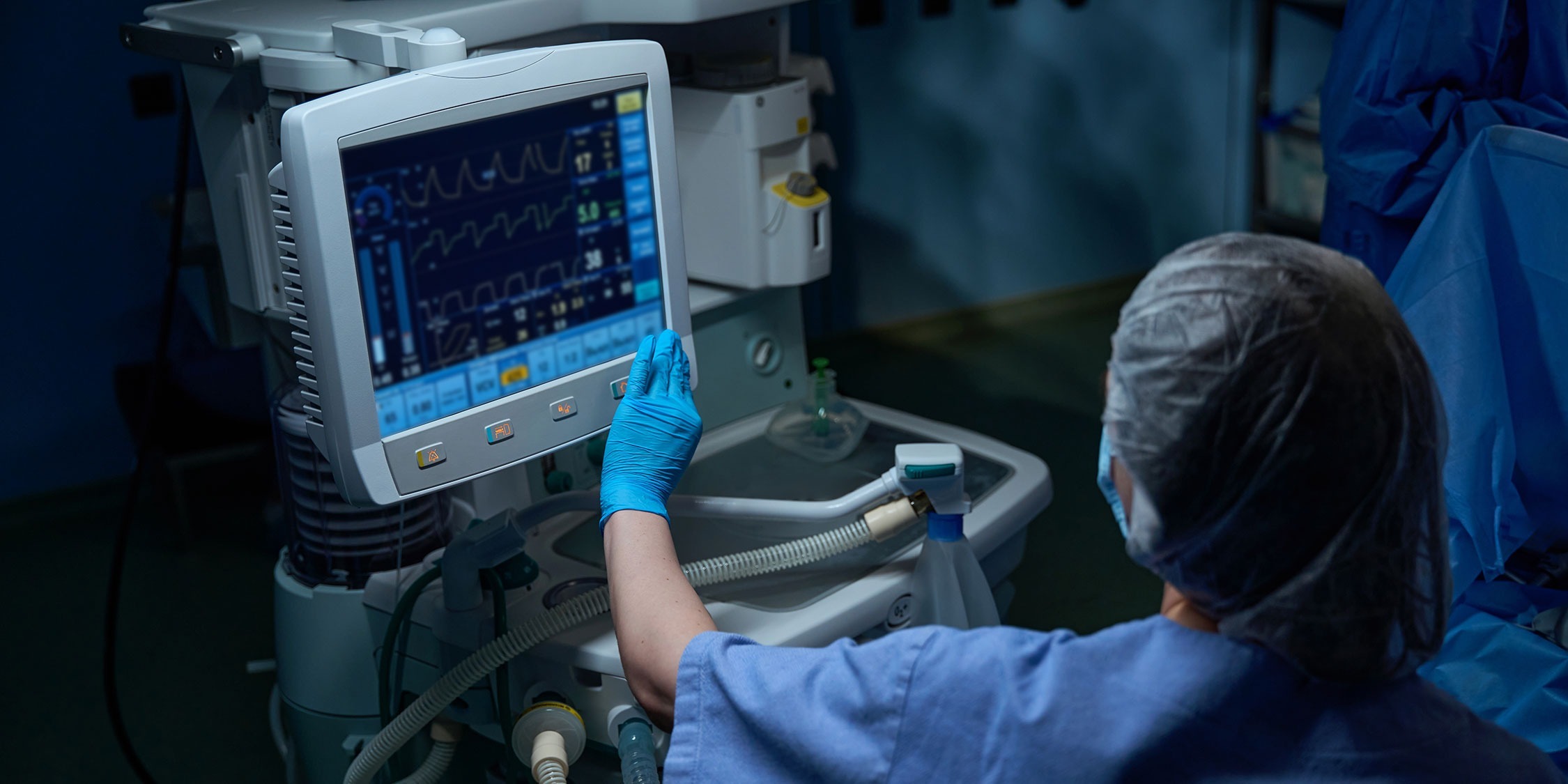
Medical equipment downtime transcends being a mere technical issue; it is a crisis that can paralyse the entire system. The failure of even one piece of equipment can set off a chain reaction that endangers patient care, drains financial resources, and tarnishes the hospital’s reputation.
The True Cost of Downtime: A Multidimensional Impact
When a device goes offline, the consequences are felt far beyond the biomedical engineering department. The impact is categorised into four critical areas:
• Clinical Disruption & Safety: Equipment downtime interrupts critical workflows, delays necessary procedures, and forces healthcare professionals to use manual alternatives. This increases the likelihood of medical errors, putting patient safety at risk.
• Financial Losses: Hospitals suffer financially from cancelled procedures, incur high costs for urgent repairs, and may need to rent temporary equipment. Additionally, unplanned staff overtime adds to the financial burden.
• Compliance Risks: Not maintaining equipment to manufacturer specifications can lead to regulatory non-compliance, attracting legal scrutiny and potential fines.
• Reputation at Risk: Repeated equipment failures can demoralise staff and erode patient trust. Patient confidence is an invaluable asset, and once lost, it is difficult to regain.
Overcoming the Challenges of Asset Management
Despite the critical nature of these assets, many healthcare providers struggle to manage them at scale. Common hurdles include:
• Manual Tracking: Many hospitals still use manual spreadsheets or separate databases, which don’t offer real-time visibility into asset status.
• Regulatory Complexity: Keeping up with the constant changes in compliance and safety standards can feel overwhelming.
• Resource Scarcity: A global shortage of skilled biomedical technicians makes it difficult to keep up with demanding repair schedules.
• Unpredictable Failures: Without data-driven insights, maintenance remains reactive, fixing things only after they break.
To overcome these challenges, hospitals are increasingly turning to advanced medical device management platforms such as infoHealth F2™.
The infoHealth F2™ platform centralises asset data, automates maintenance scheduling, tracks compliance documentation, and provides real-time performance visibility across departments. By replacing fragmented systems with a unified digital solution, hospitals can transition from reactive troubleshooting to predictive, proactive asset management.
Strategic Pillars for Reducing Downtime
To ensure high availability of critical devices, hospital administrators must adopt a multi-pronged strategy:
1. Prioritise Preventive Maintenance Programs
Preventive maintenance is key to avoiding equipment failure before it happens. This involves regular inspections, cleanings, and servicing based on specific usage or time intervals. By addressing minor issues early, hospitals can prevent them from escalating into major problems. Detailed record-keeping and thorough staff training on proper device usage are crucial components of this strategy, reducing the risk of damage caused by human error.
2. Implement Real-Time Monitoring Technology
Incorporating a Computerised Maintenance Management System (CMMS) with real-time sensors allows hospitals to monitor device performance continuously. These tools can automatically alert technicians when a device operates outside its normal parameters, often before clinical staff even notices an issue. This proactive approach enables technicians to address problems swiftly, minimising disruptions.
3. Utilise Data Analytics for Equipment Management
Embracing predictive maintenance through data analytics can significantly enhance equipment management. By analysing historical data and maintenance trends, hospitals can identify patterns, such as which equipment brands or models are more prone to failure. This information helps optimise procurement and servicing schedules. Predictive analytics allows hospitals to shift from reactive troubleshooting to strategic, data-driven planning. Monitoring key performance indicators like Mean Time Between Failures (MTBF) and equipment utilisation rates supports informed decision-making, ultimately reducing downtime and boosting operational efficiency.
The Organisational Benefits of Reduced Downtime
Hospitals that proactively manage equipment reliability experience measurable improvements:
• Enhanced patient safety and outcomes
• Cost savings through reduced emergency repairs
• Improved staff productivity and morale
• Stronger regulatory compliance
• Increased operational efficiency and workflow stability
The Future of Equipment Reliability
Medical equipment downtime is not simply a maintenance concern it is a strategic healthcare challenge with financial, clinical, and reputational consequences.
Forward-thinking hospitals are addressing this challenge by combining preventive maintenance programs, real-time monitoring, and predictive analytics within unified digital platforms like infoHealth F2™.
The result is a shift from reactive crisis management to proactive reliability assurance. By embracing modern device management solutions, hospitals can minimise equipment failures, protect patient safety, and build a more resilient, efficient, and trustworthy healthcare system.