Reactive vs Preventive vs Predictive Maintenance in Healthcare
Mar 24, 2026
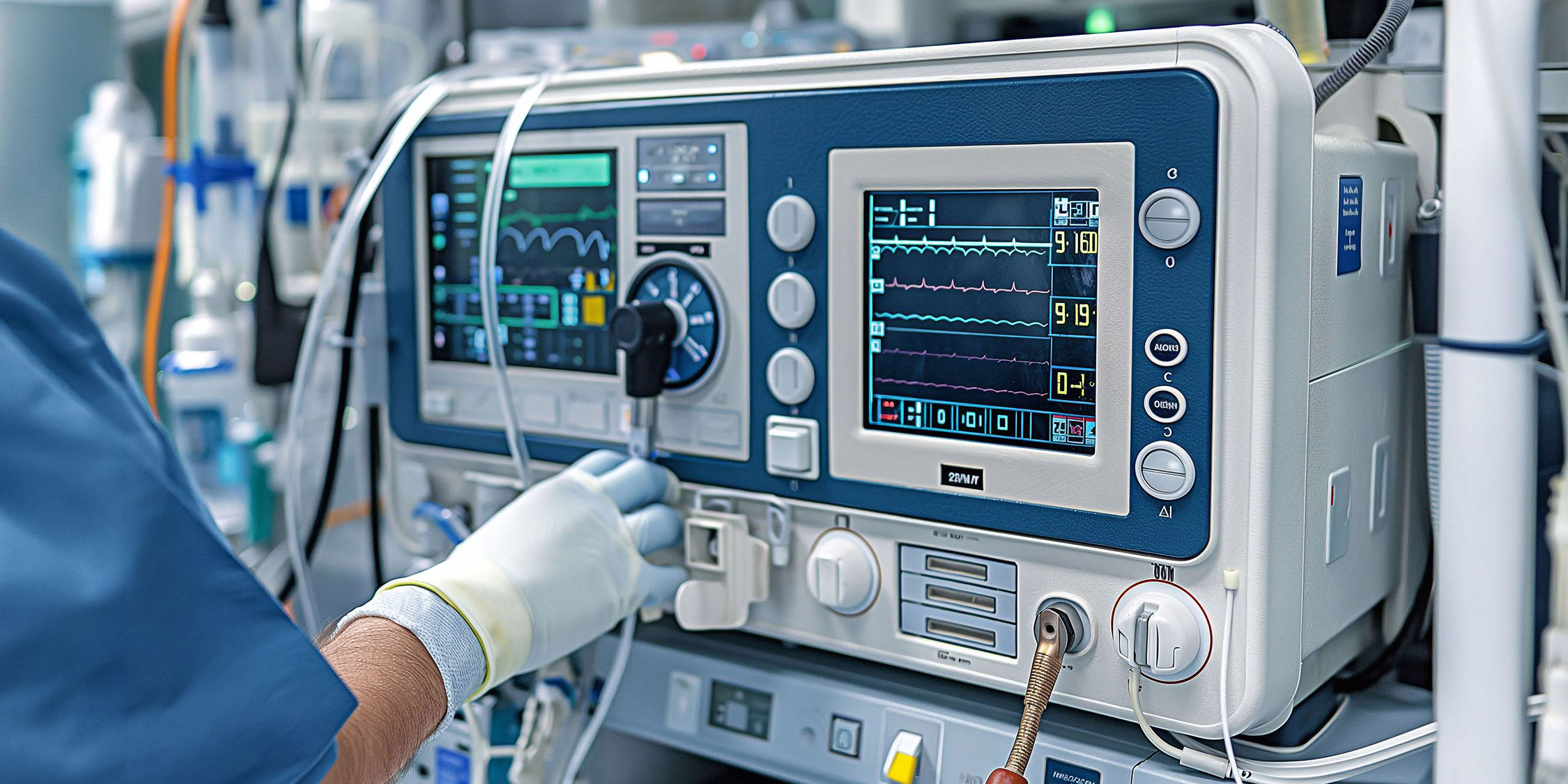
It was a busy morning in a hospital where doctors, nurses, and technicians worked together to care for patients. Behind the scenes, numerous medical devices such as monitors, scanners, and ventilators were constantly in use. These machines played a vital role in diagnosing illnesses and supporting treatment. If even one piece of equipment stopped working unexpectedly, it could delay procedures, interrupt patient care, and create stress for healthcare staff. In fact, poorly maintained medical equipment can lead to malfunctions, inaccurate readings, or delays in diagnosis and treatment, directly affecting patient safety and hospital efficiency.
Because of this, hospitals must pay close attention to how they maintain their equipment. Effective maintenance management ensures that medical devices remain reliable, reduces unexpected downtime, and helps healthcare facilities operate smoothly. A well-planned maintenance strategy not only improves operational efficiency but also reduces repair costs and extends the lifespan of expensive medical equipment.
To manage equipment effectively, healthcare organisations typically rely on three main maintenance strategies: reactive maintenance, preventive maintenance, and predictive maintenance. Each of these approaches differs in when maintenance is performed and how problems are handled, but all aim to keep equipment functioning properly and support continuous patient care.
Reactive Maintenance
Reactive maintenance focuses on fixing equipment only after it breaks down. This means using machines until they no longer work, then addressing issues as they come up. Often called run-to-failure maintenance, this method has some clear benefits and drawbacks.
One of its main advantages is that it allows equipment to be used to its fullest capacity without frequent interruptions for maintenance. This makes it a straightforward option, as it doesn’t require much planning or regular upkeep. In places like healthcare facilities, it might work well for non-essential equipment where a temporary outage doesn’t cause major problems.
However, there are significant downsides to this approach. Repairing equipment only after it fails can be quite costly and might end up costing more than the benefits gained by running it to failure. Unplanned breakdowns can cause unexpected delays, interrupt hospital workflows, and postpone medical procedures, which could result in lost revenue. Additionally, fixing only the visible issues without addressing the root causes can lead to repeated failures and inefficiencies, compounding the problem over time.
Preventive Maintenance
Preventive maintenance, also known as planned or scheduled maintenance, involves performing maintenance activities at predetermined intervals while the equipment is still operating normally. The goal is to detect potential issues early and prevent unexpected failures.
In healthcare settings, preventive maintenance typically includes routine inspections, calibration, cleaning, lubrication, and replacement of worn components. This strategy helps extend the lifespan of medical equipment, improve productivity, and maintain consistent performance. By identifying and addressing issues before they escalate, preventive maintenance reduces the risk of sudden equipment failure and costly emergency repairs.
Despite its advantages, preventive maintenance also has some limitations. It requires scheduled downtime, skilled technicians, spare parts, and proper maintenance tracking systems. Additionally, some maintenance activities may be unnecessary if the equipment is still functioning well, which can lead to extra costs and effort.
Predictive Maintenance
Predictive maintenance offers a forward-thinking approach to equipment care by harnessing modern technologies like sensors and AI to track how machines perform in real time. By sorting through the data gathered from these devices, maintenance teams can spot trends and foresee potential breakdowns before they occur.
In healthcare settings, this means repairs can be planned precisely when needed, allowing staff to resolve issues before they disrupt daily operations. This strategy not only cuts down on unnecessary repairs but also boosts the reliability of equipment and enhances safety by identifying risks early on.
To successfully implement predictive maintenance, organisations need sophisticated sensors, analytical tools, and well-trained personnel. While this can lead to higher initial costs and added complexity, the benefits of improved efficiency and safety can be well worth the investment.
Choosing the Right Maintenance Strategy
Healthcare organisations must carefully evaluate several factors when selecting the most suitable maintenance strategy.
1. Equipment Criticality
Devices such as MRI machines, ventilators, and other diagnostic tools play a crucial role in patient care. Predictive maintenance, which anticipates and prevents failures, is particularly beneficial for these high-value assets.
2. Impact of Downtime
If a malfunction could delay treatments or disrupt hospital operations, then both preventive and predictive maintenance should be considered to minimise such risks.
3. Budget and Resources
Preventive maintenance generally requires a moderate financial commitment. In contrast, predictive maintenance can be more costly because it relies on sophisticated technology and data analysis.
4. Regulatory Requirements
Healthcare is a highly regulated industry, and regular maintenance and calibration of medical devices are often mandatory to ensure patient safety and compliance.
Key Takeaways
Keeping healthcare equipment in top shape is crucial for its reliability and efficiency. While reactive maintenance might work for less important machines, it often results in surprise breakdowns and increased repair expenses. On the other hand, preventive maintenance involves routine check-ups to minimise malfunctions, and predictive maintenance leverages technology to foresee and avoid potential equipment failures.
Healthcare organisations can choose the best maintenance approach by considering how critical the equipment is, its impact on operations, and the resources on hand. This careful selection not only boosts equipment performance but also cuts costs and ensures patient safety.