Asset Performance Management Systems: What You Need to Know
Mar 31, 2026
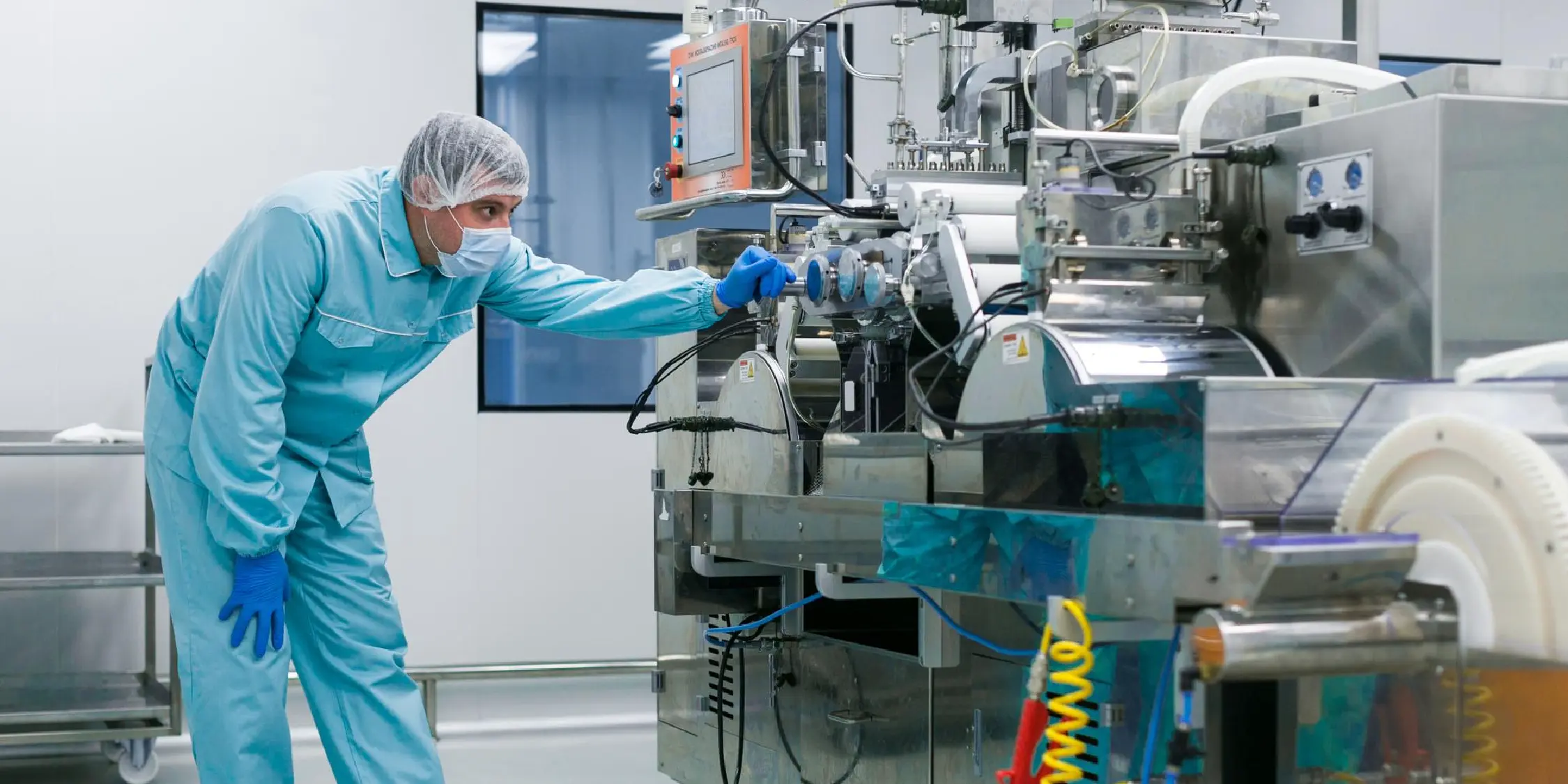
Managing physical assets in sectors such as healthcare, manufacturing, and utilities has grown more challenging over time. In hospitals, critical equipment plays a vital role, and even a short period of inactivity can interfere with patient care. Similarly, manufacturers and utility companies experience significant financial setbacks when equipment fails unexpectedly. Traditional maintenance approaches often fall short in handling these complexities effectively.
Asset Performance Management (APM) offers a solution by integrating data analysis and real-time monitoring to enhance how assets function. This approach helps predict potential failures and minimises downtime, enabling organisations to transition from merely reacting to issues to adopting a proactive, intelligent strategy for managing their assets efficiently.
What Is Asset Performance Management?
Asset Performance Management (APM) uses data and analytics to optimise the performance, reliability, and lifespan of physical assets. By monitoring equipment in real time and applying predictive maintenance, organisations can reduce downtime and shift from reactive to proactive management.
Asset Performance Management (APM) aims to keep equipment running at peak condition and reduce breakdowns by using realtime monitoring and predictive maintenance. Sensors and systems collect performance data so issues can be detected early, and maintenance can be planned proactively, minimising downtime and improving reliability.
Why Modern Enterprises Need APM
In today’s fast-paced business environment, companies encounter numerous operational hurdles. Managing assets efficiently becomes crucial in overcoming these challenges, and this is where Asset Performance Management (APM) truly shines.
Equipment downtime
When equipment suddenly fails, it can bring everything to a standstill. This not only disrupts services but can also result in hefty financial setbacks. Often, poor management of assets is to blame, leading to in frequent breakdowns and unplanned downtime that cut into productivity and hinder overall performance.
Maintenance inefficiencies
Relying on old-school maintenance methods can end up costing more than anticipated. These approaches tend to react only after problems occur, which means repairs become more expensive and require urgent attention. This lack of foresight often means minor issues grow into major headaches, putting additional pressure on maintenance budgets and resources.
Aging infrastructure
Many organisations continue to depend on equipment that’s well past its prime. This older infrastructure tends to need more frequent repairs, causing unplanned downtime and rising maintenance costs creating added stress on operations.
Operational risk
Equipment that is either in disrepair or not properly maintained can pose serious threats to safety, lead to compliance issues, and cause financial setbacks. As machinery ages or when maintenance schedules are not adhered to, the chances of experiencing critical failures and disruptions to operations rise sharply. Such scenarios can not only put employees at risk but also affect the overall efficiency and profitability of a business. Regular maintenance and timely upgrades are essential to mitigate these risks and ensure smooth operations.
How APM Works
• Asset data collection: Sensors gather real-time performance data.
• Condition monitoring: Continuous tracking detects early signs of issues.
• Analytics & failure prediction: Patterns in data help forecast failures.
• Maintenance optimisation: Schedule maintenance only when needed.
• Performance tracking: Monitor uptime, reliability, and other key metrics.
Key Components of APM
Asset Performance Management (APM) focuses on enhancing the reliability and efficiency of assets through several interconnected components:
1. Asset monitoring
Assets are under continuous observation using sensors and monitoring systems. Real-time sensors track temperature, vibration, and pressure.
2. Data analytics
Collected data is analysed using advanced analytics and machine learning. AI identifies trends and predicts failures.
3. Maintenance optimisation
The insights gained from data analysis inform preventive and predictive maintenance strategies.
4. Performance dashboards
Dashboards offer a clear, real-time view of asset performance, transforming raw data into actionable insights. Visual tools provide actionable insights for faster decisions.
Benefits of Asset Performance Management
• Reduced downtime: APM can foresee potential failures, allowing companies to prevent unexpected shutdowns and keep essential equipment functioning smoothly.
• Improved asset reliability: Through continuous observation and predictive insights, assets are maintained within their best operating conditions, which minimises the likelihood of breakdowns.
• Lower maintenance costs: Predictive and conditionbased maintenance replaces reactive repairs, reducing unnecessary work and expensive emergency fixes.
• Better operational efficiency: Realtime performance insights enable smarter decisionmaking and more efficient use of resources across operations.
• Extended asset lifespan: Early detection of issues and optimised maintenance schedules help assets stay in peak condition longer, delaying costly replacements.
Technologies Behind Asset Performance Management
Asset Performance Management (APM) relies on several modern technologies to turn raw asset data into actionable insights that improve uptime and reliability:
• IoT sensors: Monitor equipment continuously
• AI analytics: Predict failures and optimise maintenance
• Predictive maintenance: Schedule repairs proactively
• Digital twins: Simulate and optimise asset performance
• Condition monitoring systems: Detect early warning signs
Asset Performance Management vs Asset Management
Asset Management encompasses a comprehensive view, covering the entire lifecycle of an asset. This approach begins with planning and acquisition, moves through utilisation and maintenance, and concludes with disposal. The goal is to manage these stages in a way that maximises value while keeping costs and risks in check, ensuring that each asset contributes effectively to the organisation’s objectives.
In contrast, Asset Performance Management zeroes in on how assets operate during their active use. APM relies heavily on real-time data and advanced analytics to boost asset performance and reliability. By employing predictive tools, APM helps organisations avoid unexpected failures and optimise maintenance schedules, which in turn enhances uptime and operational efficiency. This focus on the asset’s operational life allows companies to make informed decisions that prolong the asset’s usefulness and effectiveness.
Asset Performance Management in Healthcare
Hospital Equipment Uptime
Hospitals rely on devices like ventilators, infusion pumps, and imaging systems to always be operational. Advanced Performance Monitoring (APM) systems provide real-time updates on equipment availability and identify potential issues before they impact patient care.
Biomedical Equipment Monitoring
Keeping a close watch on biomedical devices guarantees they adhere to maintenance schedules and comply with regulatory standards. This vigilance helps engineers detect problems early, ensuring the equipment remains safe and functional.
Hospital Infrastructure Performance
For a hospital to function efficiently, systems such as power, HVAC, and IT must operate without interruption. APM offers facilities managers detailed insights into these systems, enabling them to tackle issues before they escalate.
Anticipating Equipment Failures with Predictive Maintenance
By utilising data and sensor technology, predictive maintenance can foresee equipment malfunctions, minimis e downtime, and prolong the life of devices. This approach not only boosts safety but also enhances overall efficiency.
infoHealth Solutions applies these principles smoothly by gathering and examining data from medical devices and hospital networks. Our solutions offer predictive insights, streamline maintenance schedules, and deliver practical intelligence for hospital managers. This approach fosters a healthcare environment that is not only smarter but also safer and more resilient.
Key Metrics Used in Asset Performance Management
Tracking the right metrics is essential for evaluating the success of maintenance strategies and overall asset performance in healthcare. Commonly used metrics include:
• Mean Time Between Failures (MTBF): Measures the average time a device operates before failing, helping identify reliability trends.
• Overall Equipment Effectiveness (OEE): Combines availability, performance, and quality to assess how effectively equipment is being used.
• Asset Uptime Rate: Tracks the percentage of time critical equipment is operational and available for use.
• Maintenance Response Time: Measures how quickly maintenance teams respond to issues, highlighting operational efficiency.
By monitoring these metrics, hospitals and healthcare providers can optimize maintenance schedules, extend equipment lifespan, and ensure high-quality patient care.
APM: Enhancing Healthcare Operations
Asset Performance Management is essential for ensuring hospital equipment and infrastructure operate reliably, efficiently, and safely. By enabling predictive maintenance, monitoring critical assets, and improving operational efficiency, APM supports better patient outcomes and stronger healthcare operations.
As hospitals face growing demands, data-driven platforms like infoHealth Solutions provide actionable insights that make managing assets smarter, safer, and more efficient.