How AI & Smart Sensor Technology is Transforming Dementia Care in UK Care Homes
Aug 04, 2026
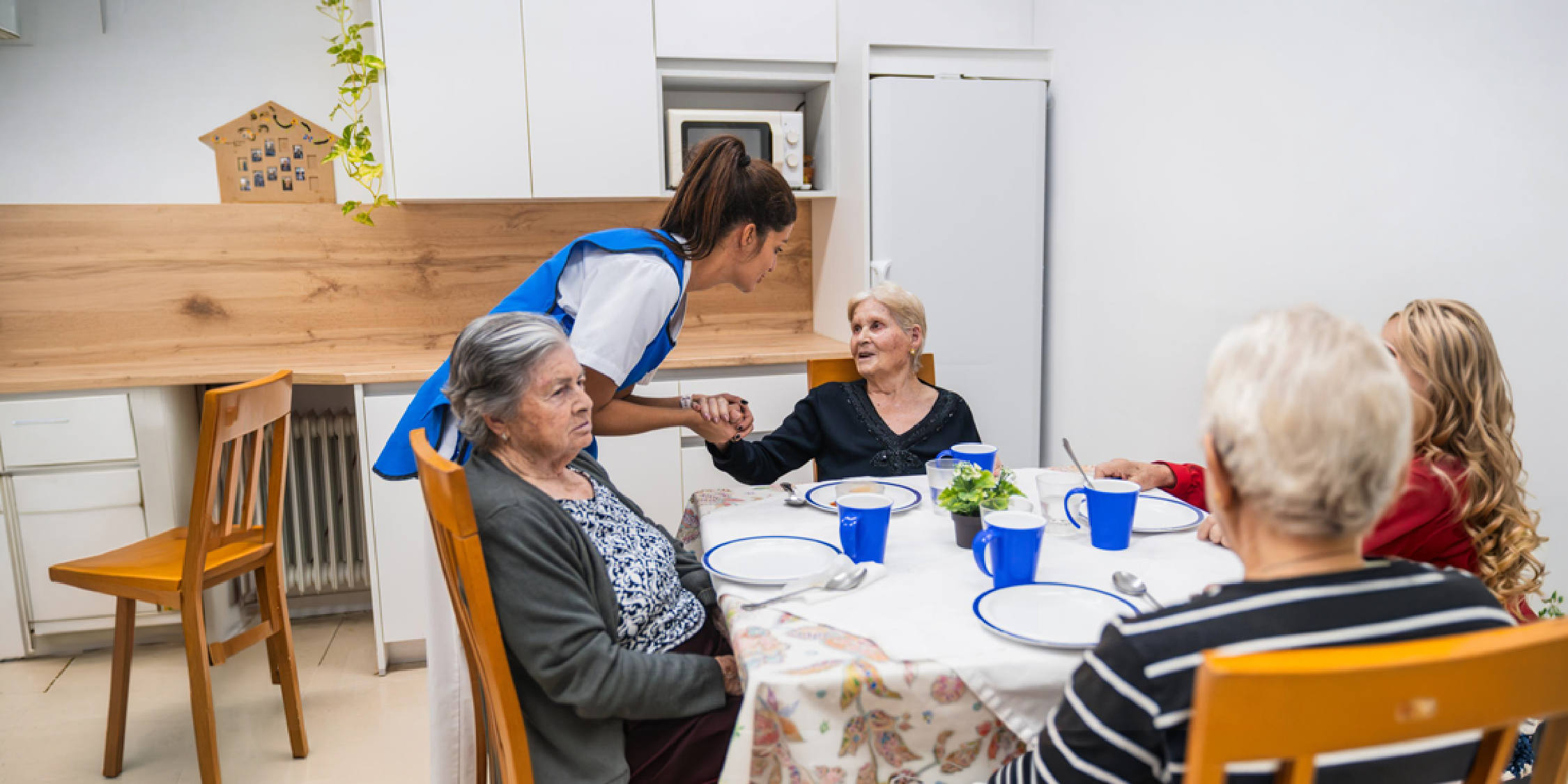
The growing demand for dementia care in UK care homes has highlighted the need for innovative solutions that can improve safety, independence, and quality of life for residents. Artificial intelligence (AI) and smart sensor technologies are emerging as powerful tools that support care teams by enabling early detection of health changes, monitoring daily activities, and providing personalised care insights. By reducing pressure on overstretched staff and helping identify risks before they become critical, these technologies are transforming the way dementia care is delivered while ensuring that dignity and human connection remain central to the care experience.
Why Dementia Care Needs a New Approach in UK Care Homes
UK care homes are facing increasing challenges in supporting the health and wellbeing of an ageing population, with dementia emerging as one of the most significant concerns. As the number of people living with dementia continues to grow, the demand for high-quality, compassionate, and personalised care has become more urgent. However, many care homes are struggling with severe staff shortages, making it difficult to provide the level of attention and support that individuals with dementia require. The complexity of dementia care is constantly increasing, requiring a shift beyond traditional approaches towards models that prioritise person-centred support. Maintaining the dignity, independence, and quality of life of people living with dementia must remain at the heart of care delivery, ensuring that individuals are supported not only medically but also emotionally and socially.
What is Dementia Care Technology?
Dementia care technology uses digital tools, artificial intelligence (AI), and smart devices to improve the safety, independence, and quality of life of people living with dementia. Technology in Dementia Care enables care homes to provide more personalised and proactive support through digital care solutions, AI-powered monitoring, and smart sensors.
Smart sensors and passive monitoring systems track daily activities and detect changes in behaviour or health without disrupting residents’ routines. Through behavioural analytics and predictive care, these technologies help identify risks earlier, allowing care teams to provide timely interventions. These innovative dementia care technology solutions are helping UK care homes deliver more efficient, person-centred support through advanced digital dementia care solutions UK.
How AI is Transforming Dementia Care
Artificial intelligence (AI) is transforming dementia care by helping care teams detect changes in behaviour, health, and daily routines at an early stage. AI dementia monitoring care home solutions can analyse patterns such as sleep, movement, and activity levels to identify potential concerns and support faster responses when needed.
AI-powered systems can monitor mobility, predict fall risks, and recognise subtle signs of health deterioration that may otherwise go unnoticed. By providing real-time insights, AI enables earlier intervention, allowing care teams to deliver more personalised and proactive support. This demonstrates how dementia technology is transforming care by improving safety, enhancing decision-making, and helping people living with dementia maintain greater independence and dignity.
Beyond monitoring, AI also supports care planning by helping staff understand individual needs and preferences. By analysing long-term patterns, AI can assist in creating personalised care strategies, reducing avoidable risks and improving overall wellbeing. Rather than replacing human care, AI acts as a supportive tool that enables care professionals to spend more time on meaningful interactions while delivering safer and more effective dementia support.
Why Passive Monitoring is Better Than Wearables
While wearable devices have been widely used in dementia care, they come with several practical limitations. Since they are visible and removable, residents may take them off, misplace them, or simply forget to wear them again, reducing their effectiveness. This can lead to inconsistent monitoring and gaps in important health data.
Wearables also require regular charging, which can interrupt continuous monitoring if the device runs out of battery. In addition, ensuring that residents consistently wear the device can be challenging, leading to compliance issues. Comfort is another concern, as some individuals may find wearable devices uncomfortable, restrictive, or unfamiliar, making them less likely to use them as intended. These challenges have increased the demand for more reliable, non-intrusive monitoring solutions that do not rely on active user participation. Which resulted in passive monitoring.
Unlike wearable devices, passive monitoring dementia care home solutions do not require residents to wear or interact with any equipment. This allows individuals to carry out their daily activities naturally while being continuously monitored for changes in movement, behaviour, and overall wellbeing.
Passive monitoring provides uninterrupted insights without affecting residents’ comfort or independence. It also helps preserve dignity by offering discreet support, while reducing the burden on care staff through automated monitoring and timely alerts. As a result, remote monitoring dementia patients UK is becoming an increasingly valuable approach for improving safety, enabling early intervention, and delivering more efficient, person-centred dementia care.
Preventing Wandering While Preserving Independence
Wandering is a common behaviour among people living with dementia and can increase the risk of falls, dehydration, malnutrition, and other safety concerns. While wandering is often associated with confusion, it may also be driven by lifelong routines, a desire for purpose, social interaction, or the need to explore their surroundings. Managing this behaviour requires a balance between ensuring safety and preserving residents’ independence.
Dementia wandering prevention technology uses AI and smart sensors to detect unusual movement patterns and alert care staff in real time when a resident may be at risk. Early notifications enable carers to respond quickly without relying on restrictive measures such as locked doors or constant supervision. This proactive approach supports safer independence, allowing residents to move freely while giving care teams greater confidence in maintaining a secure and person-centred environment.
How Smart Sensors Support Care Teams
Smart sensors are transforming the way care teams monitor and support residents by providing continuous, real-time insights without disrupting daily life. These intelligent systems help carers work more efficiently by automatically tracking important aspects of a resident’s wellbeing and alerting staff when unusual patterns or potential risks are detected.
Smart sensors can monitor room occupancy, night-time movement, bathroom visits, sleep quality, and daily routines to build a clear picture of a resident’s health and behaviour. They can also identify deviations from normal patterns, such as reduced activity, increased restlessness, or changes in sleeping habits, allowing care teams to intervene early. By providing timely, data-driven insights, smart sensors enhance resident safety, support proactive care, and reduce the workload on staff while enabling more personalised dementia care.
NHS Support for AI and Digital Dementia Care
The National Health Service (NHS) is expanding the use of NHS dementia digital technology to improve dementia diagnosis, monitoring, and personalised care. Through NHS England’s digital transformation, AI and remote monitoring tools are being integrated into healthcare to support earlier intervention and better patient outcomes.
Research funded by the National Institute for Health and Care Research (NIHR) has helped develop innovative solutions such as the Imperial College Minder programme (MinderCare), which uses AI-powered home sensors to monitor daily routines and identify early signs of health deterioration, enabling timely clinical support.
With continued government support for AI-enabled healthcare, digital technologies are expected to play an increasingly important role in the future of dementia care, helping people live independently for longer while improving care quality and reducing pressure on NHS services.
How ThinkBio Omni® Supports Modern Dementia Care
ThinkBio Omni® is an AI-enabled platform designed to support modern dementia care through intelligent, real-time monitoring and data-driven clinical insights. Built with NHS digital compliance in mind, the platform helps care teams make faster, more informed decisions, improving resident safety and the overall quality of care. Automated alerts and an integrated escalation protocol ensure that unresolved critical issues are promptly brought to the attention of caregivers for timely intervention. It uses non-intrusive sensors to continuously monitor vital signs and environmental conditions without requiring wearable devices, ensuring comfort while enabling early detection of potential health concerns.
A key strength of ThinkBio Omni® is its privacy-first approach. Unlike traditional monitoring systems, it does not rely on cameras or microphones in residents’ rooms, preserving dignity and ensuring that private conversations remain confidential. The platform also eliminates the need for wearable devices, reducing the risk of residents removing, forgetting, or losing them. Rather than replacing caregivers, ThinkBio Omni® empowers them with actionable insights, enabling more proactive, efficient, and personalised dementia care while allowing residents to maintain their independence and peace of mind.
Benefits for Residents, Families, and Care Providers
It provides meaningful benefits for residents, families, and care providers by creating a safer, more comfortable, and person-centred care environment. Residents benefit from continuous, non-intrusive monitoring that enhances safety while preserving their privacy and dignity. Without the use of cameras, microphones, or wearable devices, they can maintain their independence and go about their daily lives without feeling constantly observed or restricted. This privacy-first approach promotes greater comfort, confidence, and overall wellbeing.
Families gain peace of mind through real-time health monitoring and timely alerts, knowing that potential health concerns can be identified early and addressed quickly. Care providers benefit from AI-powered insights, automated notifications, and streamlined workflows that support faster decision-making and proactive care. By enabling earlier intervention, optimising resource allocation, and supporting regulatory compliance, it helps care teams improve operational efficiency while delivering safer, higher-quality, and more personalised care.
Rather than replacing caregivers, it enhances their ability to deliver efficient, personalised, and high-quality dementia care while reducing workload and improving resident outcomes.
Suggested Frequently Asked Questions
What is AI dementia monitoring?
AI dementia monitoring uses artificial intelligence and smart sensors to continuously observe a resident’s health, movement, and daily routines. It helps detect unusual patterns, enabling caregivers to respond early and deliver more proactive, personalised care.
How do passive sensors work in dementia care homes?
Passive sensors monitor factors such as movement, room occupancy, vital signs, and environmental conditions without requiring residents to wear devices or interact with the technology. The data is analysed to identify potential health risks and trigger alerts when intervention may be needed.
Are smart sensors better than wearable devices?
Smart sensors offer several advantages over wearables because they require no charging, maintenance, or user interaction. They reduce the risk of residents forgetting, removing, or losing devices while providing continuous, unobtrusive monitoring that preserves comfort and dignity.
Can AI help prevent dementia wandering?
Yes. AI-powered monitoring systems can detect unusual movement patterns or changes in routine and notify caregivers in real time. This allows staff to intervene quickly, helping reduce the risks associated with wandering and improving resident safety.
Is dementia monitoring technology approved by the NHS?
The NHS does not approve individual dementia monitoring products. However, digital health technologies used within the NHS must meet relevant regulatory and clinical standards, such as the Digital Technology Assessment Criteria (DTAC), and may also require MHRA compliance if they are classified as medical devices.
How does passive monitoring improve resident dignity?
Passive monitoring supports resident dignity by providing continuous care without cameras, microphones, or wearable devices. Residents can maintain their privacy, independence, and daily routines while caregivers receive the information needed to deliver timely support only when necessary.