Overcoming Challenges in Medical Equipment Management at Healthcare Institutions
Jun 23, 2026
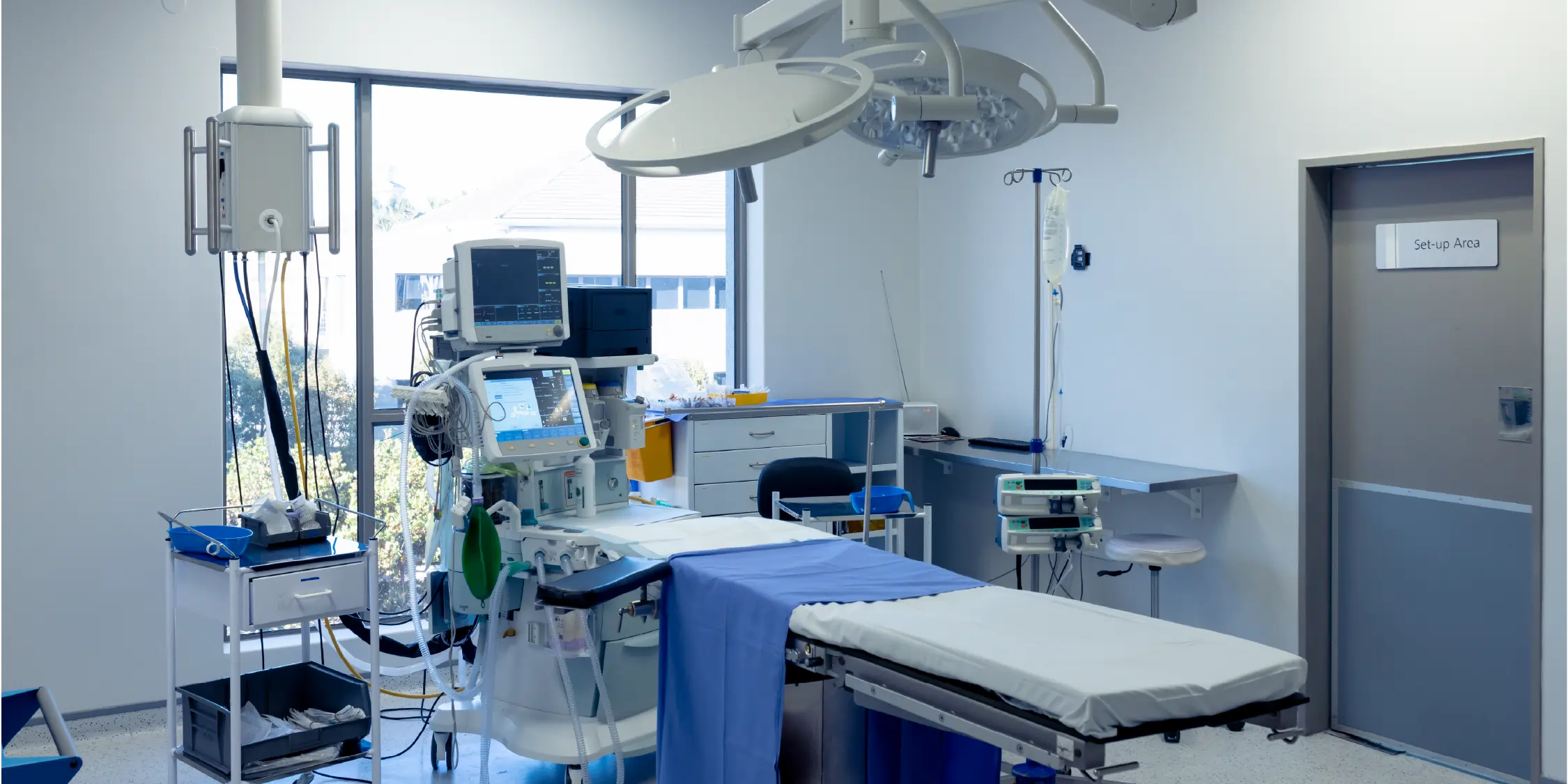
Hospitals today operate in increasingly complex environments where delivering timely, high-quality patient care depends heavily on the effective management of medical equipment. From infusion pumps and patient monitors to ventilators and imaging systems, healthcare facilities rely on thousands of devices that move constantly between departments and care units. As the number and sophistication of medical technologies continue to grow, managing these assets has become a significant operational challenge.
One of the most common issues hospitals faces is the lack of visibility into equipment location and availability. Staff often spend valuable time searching for devices, while misplaced or unavailable equipment can delay clinical workflows and patient treatment. Poor tracking and maintenance practices can also lead to equipment downtime, compliance risks, unnecessary purchases, and increased operational costs.
As hospitals continue to invest in advanced medical technologies, ensuring the reliability, accessibility, and proper maintenance of these devices becomes just as important as acquiring them. Despite these investments, many healthcare organisations still struggle with handling medical devices efficiently, resulting in operational inefficiencies and potential impacts on patient care.
The Critical Role of Medical Equipment Management in Healthcare
Effective medical equipment management is essential for delivering safe, compliant, and efficient healthcare services. Hospitals rely on an increasing number of devices for diagnosis, monitoring, and treatment, therefore, ensuring that equipment is available, functional, and properly maintained becomes a critical responsibility.
• Patient Safety
Well-maintained and readily available medical equipment helps clinicians deliver safe, timely, and effective patient care.
• Compliance
Proper equipment management supports compliance with NHS regulations, accreditation standards, and audit requirements through accurate maintenance and service records.
• Operational Efficiency
Effective tracking and maintenance reduce equipment downtime, prevent unnecessary purchases, and improve staff productivity, helping hospitals operate more efficiently.
Key Challenges in Medical Equipment Management
• Lack of real-time asset visibility – The main challenge is unknown equipment location, which leads to time wasted searching for devices and duplicate purchases. This directly contributes to hospital asset management challenges, as poor visibility disrupts workflow and increases operational inefficiencies.
• Equipment downtime & unplanned failures – Hospitals often depend on reactive maintenance, where equipment is repaired only after it breaks down. This leads to unexpected failures, delays in diagnosis and treatment, and increased pressure on clinical staff. Such interruptions directly contribute to equipment downtime in hospitals, affecting both workflow continuity and patient safety.
• Inefficient Maintenance Processes – Hospitals often rely on manual tracking systems, which leads to errors and delays in equipment servicing. This results in missed service schedules, increasing the risk of breakdowns and unplanned downtime. These gaps contribute to broader medical equipment management problems, affecting reliability and patient care.
• Poor data integration across systems – Hospitals often rely on disconnected platforms such as Electronic Patient Record (EPR), Computer-Aided Facilities Management (CAFM), and spreadsheets, which do not communicate effectively with each other. This creates data silos, where critical equipment information is scattered and inconsistent across departments. These integration gaps also make it harder to track maintenance, utilisation, and compliance in real time.
• Compliance and audit challenges – Hospitals face strict NHS regulatory and audit requirements, but incomplete documentation and fragmented records often create compliance gaps. This leads to audit risks and difficulty proving equipment maintenance history. These issues contribute to wider healthcare asset management issues NHS, especially when data is not centralised or consistently updated.
• Loss or misplacement of medical equipment – Hospitals often struggle with high-value devices going missing due to poor tracking systems and unclear ownership across departments. Equipment is frequently moved between wards without proper logging, making it difficult to trace or recover when needed. This is a key reason behind why hospitals lose medical equipment, leading to duplicate purchases, delays in care, and increased operational costs.
• Limited insights for decision-making – Hospitals often lack predictive analytics and real-time performance tracking, relying instead on historical or incomplete data. This makes it difficult to anticipate equipment needs or prevent failures. As a result, decisions remain reactive rather than data-driven, limiting efficiency and optimisation, this is where AI-based insights become essential.
How These Challenges Affect Hospitals
• Financial losses – Inefficient equipment use, duplicate purchases, and downtime lead to significant avoidable costs for hospitals.
• Reduced efficiency – Staff waste valuable time searching for equipment and dealing with delays, lowering overall hospital productivity.
• Patient safety risks – Equipment failures or unavailability can delay treatment and increase the risk of clinical errors.
• Staff frustration – Poor systems and missing equipment increase workload pressure, burnout, and dissatisfaction among healthcare staff.
Overcoming Challenges with Technology
Modern hospitals are adopting technologies such as Radio Frequency Identification (RFID) and Internet of Things (IoT) based tracking, predictive maintenance, and integrated digital platforms to improve medical equipment management. Real-time tracking helps staff quickly locate assets, while predictive maintenance reduces unexpected failures and downtime.
Integrated systems connect EPR, CAFM, and maintenance platforms, eliminating data silos and improving information accuracy. Combined with data-driven insights, these technologies enable smarter decision-making, better resource utilisation, and a more proactive approach to hospital asset management.
From Challenges to Control: The infoHealth Solution
infoHealth Solutions helps healthcare organisations address common medical equipment management challenges through a connected and data-driven approach. By providing centralised asset visibility, hospitals can track equipment locations, availability, and utilisation in real time.
Its integration capabilities connect systems such as EPR, CAFM, and maintenance platforms, creating a single source of truth and eliminating data silos. infoHealth also supports risk-based asset management, enabling teams to prioritise critical equipment and maintenance activities more effectively. With built-in tools for audit readiness, organisations can maintain accurate records and demonstrate compliance with confidence.
In addition, predictive insights and analytics help identify potential issues before they lead to equipment failures, reducing downtime and supporting more informed decision-making. By combining visibility, integration, compliance, and intelligence in one platform, infoHealth Solutions empower hospitals to transform medical equipment management into a proactive, efficient, and patient-focused process.