The Hidden Crisis of Medical Equipment Visibility in Hospitals
May 13, 2026
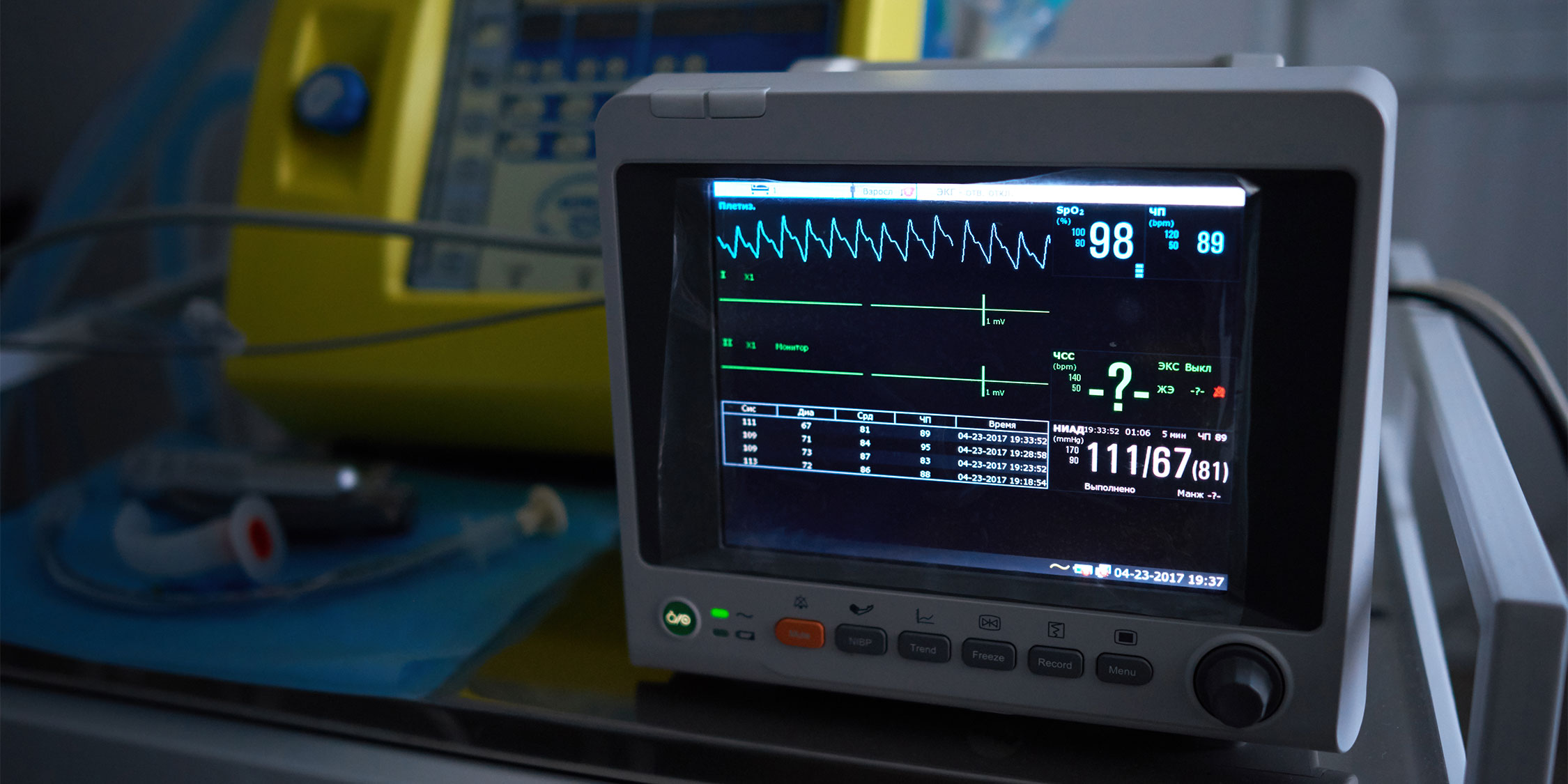
In today’s healthcare landscape, ensuring patients receive the best care hinges on having the right medical equipment and supplies available when needed. Hospitals juggle a vast array of essential items like infusion pumps, ventilators, surgical tools, and personal protective equipment (PPE) daily. Despite this, many organisations continue to face serious hospital equipment tracking challenges, resulting in operational inefficiencies, rising costs, and potential risks to patient safety.
The concept of tracking medical equipment has evolved. It’s no longer just about keeping a list of what’s on hand. Hospitals now need real-time insights into the entire supply chain, from manufacturers and distributors to their own warehouses and clinical departments. Without precise tracking systems, healthcare providers often encounter delays, misplaced equipment, shortages, and unnecessary spending.
One key issue is ineffective inventory management. Many hospitals depend on outdated methods, such as manual tracking, isolated databases, or processes that fall short of delivering up-to-the-minute information. Consequently, vital medical devices might not be accessible when they are most needed. Studies on healthcare asset management reveal that hospital staff can spend a considerable amount of time searching for missing equipment, which detracts from the time they could spend caring for patients directly.
When supplies unexpectedly run out, hospitals and Home Medical Equipment (HME) / Durable Medical Equipment (DME) providers face a chain reaction of costly issues. They often need to arrange urgent shipments, pay staff overtime, or rent substitute equipment at high prices. Sometimes, this can even drive patients to seek care elsewhere due to delays. Such disruptions can heavily strain hospitals already operating on tight budgets.
Managing the complexity of hospital environments is another major challenge in maintaining medical equipment visibility. Hospitals oversee a vast range of devices and supplies that constantly move between departments, patient rooms, operating theaters, and storage areas. Without centralised systems, tracking movable assets like wheelchairs, infusion pumps, monitors, and surgical kits becomes incredibly challenging. In an attempt to avoid shortages, departments might hoard equipment, leading to artificial scarcity and unnecessary purchases.
Operational efficiency also suffers from limited real-time visibility. Hospitals must consistently ensure the availability of medications, lab items, sterile instruments, and surgical supplies. Yet, disconnected systems across departments often create isolated data pockets, complicating efforts to maintain a unified view of inventory. Without accurate forecasting and centralised tracking, hospitals struggle with both shortages and excess stock.
Efficient inventory management in hospitals involves much more than simply storing supplies. A well-managed inventory system helps healthcare organisations achieve:
• Minimal stockouts and overstocking
• Improved resource allocation
• Timely replenishment of critical items
• Reduced wastage and expired goods
• Better patient care and safety
In operating rooms, the availability of surgical instruments is critical. Delays or missing tools can have significant impacts on both the procedures and the well-being of patients. Studies indicate that managing inventory in these environments poses a significant challenge for hospitals. This difficulty arises from the high expectations for service and the absence of standardized systems to track supplies.
Supply chain visibility is essential for minimising risks. Hospitals regularly encounter disruptions from supplier delays, unpredictable demand, and emergencies. Through real-time tracking and data analysis, they can anticipate issues before they arise and take proactive measures. This foresight enables healthcare providers to make informed purchasing decisions, minimise waste, and avoid costly last-minute procurement.
The visibility of medical equipment is also vital for adhering to regulations. Hospitals must keep detailed records of their devices, covering aspects like maintenance schedules, inspections, and usage history. Equipment that is unaccounted for or poorly tracked can lead to regulatory breaches and pose risks to patient safety. Additionally, if devices are not easily located, scheduled maintenance can be delayed, potentially compromising their performance.
Cybersecurity has emerged as another critical factor Modern hospitals rely on thousands of network-connected medical devices, including smart monitors and Internet of Things (IoT) systems. Without clear oversight, healthcare facilities struggle to monitor vulnerabilities effectively and protect these devices from cyber threats. Implementing strong visibility systems allows hospitals to secure their medical infrastructure and enhance device management.
To tackle these challenges, hospitals are turning to digital inventory management technologies. Tools like Radio Frequency Identification (RFID), barcode scanning, Bluetooth Low Energy (BLE) sensors, and cloud-based asset tracking systems offer real-time insights into equipment location, stock levels, and usage patterns. For instance, RFID systems enable automatic supply tracking without the need for manual scanning, significantly boosting accuracy and efficiency.
Today’s top hospital inventory solutions are cloud-based, scalable, and mobile-friendly. Centralised dashboards allow administrators to oversee inventory across various facilities from one platform. Advanced systems also offer features like automated purchase orders, vendor management integration, analytics, and customised alerts, empowering hospitals to make quicker, more informed decisions.
Ultimately, improving asset visibility healthcare systems is essential for delivering safer and more efficient patient care. When hospitals have precise knowledge of equipment locations, inventory levels, and supply needs, they can operate more efficiently and enhance patient care. As healthcare systems grow increasingly complex, investing in real-time visibility and intelligent inventory management becomes vital for operational reliability, cost-effectiveness, and improved patient outcomes.