How to Monitor Elderly Parents Living Alone: Smart Ways to Support Safety and Independence
Jul 14, 2026
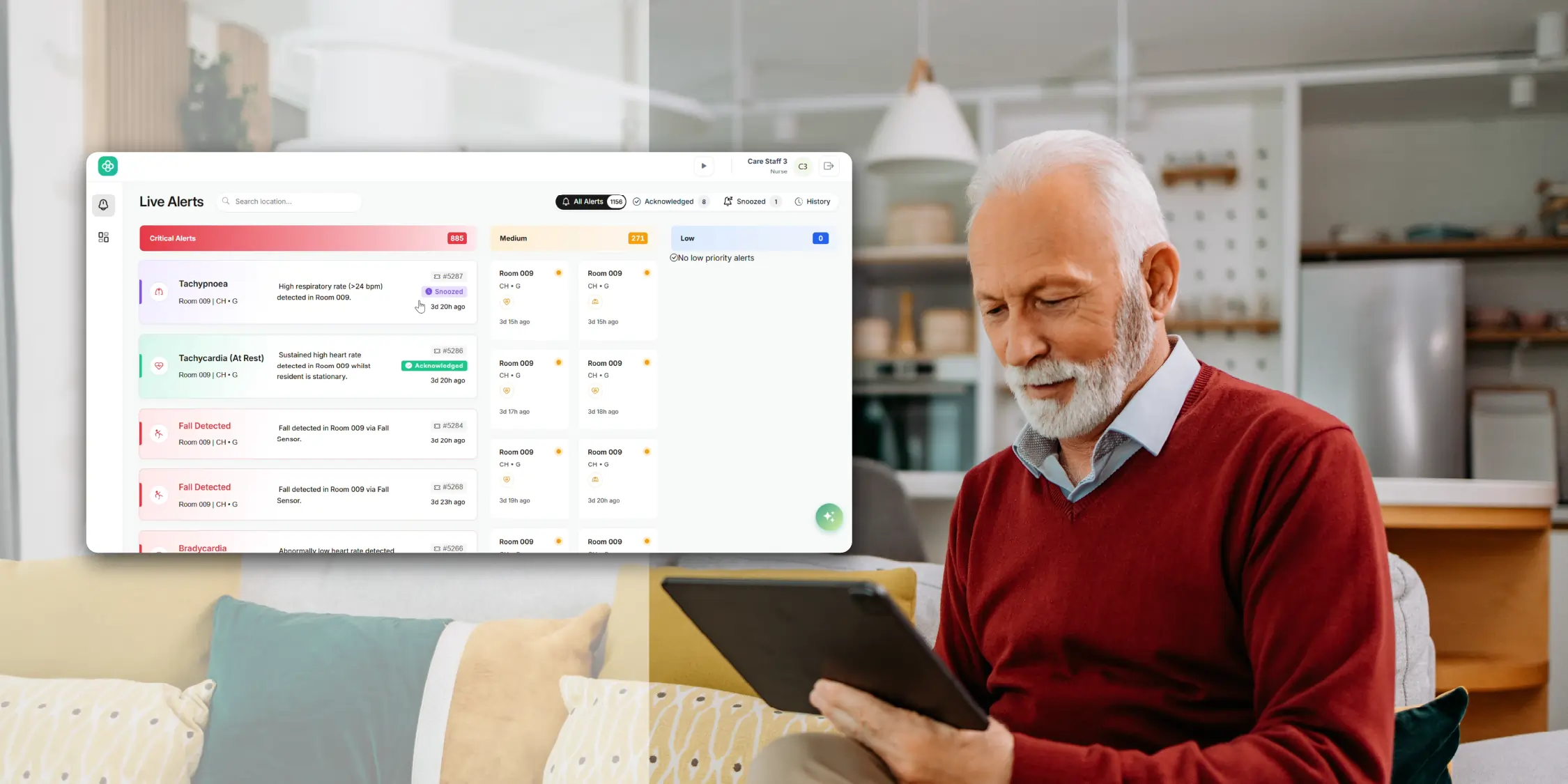
Today, many older adults prefer to live independently in their own homes, maintaining their routines, comfort, and sense of freedom. While independent living offers numerous benefits, it can also present challenges for family members who worry about their loved ones’ safety and well-being.
As seniors age, concerns such as falls, medical emergencies, missed medications, and social isolation become increasingly important. Families often face the challenge of balancing their parents’ desire for independence with the need to ensure their safety and provide timely support when needed.
Fortunately, modern technologies and smart care solutions make it possible to monitor elderly parents living alone without compromising their privacy or independence. By combining proactive care strategies with intelligent monitoring tools, families can help their loved ones remain safe, connected, and confident while continuing to enjoy independent living.
Why Monitoring an Elderly Parent Living Alone Matters
While independent living helps seniors maintain their freedom and quality of life, it can also increase certain health and safety risks. Monitoring doesn’t mean taking away independence, it means ensuring support is available when needed and helping older adults remain safe, healthy, and connected.
• Increased Risk of Falls
Falls are one of the most common safety concerns for older adults living alone. A fall can lead to serious injuries and may leave a senior unable to call for help immediately. Early detection and timely assistance can significantly reduce the impact of fall-related incidents.
• Medication Gaps
Managing multiple medications can become challenging with age. Missing doses or taking medications incorrectly can lead to health complications, worsening medical conditions, and avoidable hospital visits.
• Health Emergencies
Medical emergencies such as heart problems, strokes, or sudden illnesses can occur without warning. Quick access to assistance during these situations is critical and can improve outcomes while providing peace of mind for family members.
• Isolation and Loneliness
Living alone can sometimes lead to reduced social interaction, increasing feelings of loneliness and isolation. Over time, social isolation may negatively affect both mental and physical well-being, making regular communication and engagement essential.
• Cognitive Decline
Changes in memory, decision-making, or daily routines may indicate the early stages of cognitive decline. Monitoring can help family members identify concerning patterns sooner and ensure appropriate support is provided when needed.
Signs Your Ageing Parent May Need Additional Support
As parents age, certain physical, cognitive, and behavioural changes may indicate that they need extra assistance to continue living safely and comfortably. Recognising these signs early can help families provide the right level of support while preserving their loved one’s independence.
• Changes in Daily Routine
Noticeable changes in daily habits or difficulty completing routine tasks may be an early sign that extra assistance is needed.
• Reduced Mobility
Trouble walking, climbing stairs, getting in and out of bed, or performing routine activities can increase the risk of accidents and impact overall quality of life.
• Missed Appointments
Frequently forgetting medical appointments, social engagements, or important commitments may be a sign of memory challenges or difficulty managing schedules.
• Forgetfulness
Occasional memory lapses are normal with age, but repeated forgetfulness, confusion, or difficulty remembering important information may require closer attention and support.
• Increased Falls or Near-Falls
Frequent falls, loss of balance, or near-fall incidents can indicate declining strength, mobility, or underlying health concerns that should be addressed promptly.
Identifying these warning signs early allows families to take proactive steps, ensuring their loved ones receive the care, assistance, and monitoring they need to remain safe and maintain their independence.
Balancing Safety and Privacy in Elderly Monitoring
Monitoring elderly parents living alone doesn’t have to mean invading their privacy. The best approach is to create a support system that helps them stay safe while maintaining their independence and dignity. Monitoring should support autonomy, not remove it.
Regular check-ins can provide reassurance without making seniors feel watched. A quick phone call, text message, or video chat at agreed-upon times helps maintain communication and allows family members to notice any concerns naturally. Many caregivers find that routine check-ins are more effective and respectful than frequent monitoring.
Shared calendars and family communication plans can also make independent living for seniors easier. By sharing appointments, social activities, and important events, families can stay informed while reducing unnecessary interruptions. Clear communication among relatives ensures that everyone knows their role and avoids overwhelming parents with repeated check-ins.
Emergency contact systems add an extra layer of protection. Daily check-in apps and alert services can notify trusted contacts if a scheduled check-in is missed, providing peace of mind without tracking a person’s every movement. Many modern solutions are designed specifically to preserve privacy while supporting safety and independence.
Ultimately, the goal is to help older adults remain confident, safe, and independent in their own homes. By focusing on trust, communication, and preparedness, families can support elderly parents living alone while preserving their dignity and freedom
Smart Home Care for Elderly Adults: A Modern Approach
Smart home care for elderly adults goes beyond traditional emergency alert systems. Instead of only responding when something goes wrong, modern smart home solutions provide ongoing support that helps seniors live safely, comfortably, and independently in their own homes. Smart technologies are increasingly designed to support aging in place while maintaining independence.
Unlike emergency-only systems, smart monitoring solutions for seniors focus on continuous wellbeing. They can identify changes in daily routines, activity levels, or home conditions, helping families and caregivers address concerns early rather than waiting for a crisis.
The best smart home technologies work quietly in the background. Through sensors, automation, and connected devices, they provide support without disrupting daily life or making seniors feel constantly monitored. This creates a balance between safety, independence, and peace of mind.
How AI and Smart Monitoring Can Help Families Stay Connected
AI elderly monitoring is helping families stay connected by providing meaningful insights into a loved one’s wellbeing without requiring constant check-ins. Instead of focusing on isolated events, AI can recognize everyday activity patterns and highlight changes that may need attention, helping families feel informed and reassured.
Modern remote monitoring for seniors can identify behavioural trends over time, such as changes in sleep, mobility, daily routines, or activity levels. These insights can reveal early warning signs of potential health concerns, allowing families to respond proactively rather than waiting for an emergency.
One of the greatest benefits of elderly health monitoring is timely family notification. When unusual patterns are detected, family members can receive alerts and updates, enabling them to check in, offer support, or seek professional advice if needed. This helps create a stronger connection between seniors and their loved ones while supporting independent living.
Most importantly, AI works quietly in the background, turning everyday data into practical wellbeing insights. The goal is not surveillance, but peace of mind—helping seniors maintain their independence while giving families confidence that they will know when support may be needed.
Privacy, Trust and Security in Elderly Monitoring
As elderly monitoring becomes more common, privacy, trust, and security are emerging as key factors that families consider when choosing a care solution. While safety is important, seniors also want reassurance that their personal information, daily routines, and independence will be respected. Research shows that privacy concerns can significantly influence how comfortable older adults feel with monitoring technologies.
Maintaining dignity starts with consent and transparency. Seniors should understand what information is being collected, why it is needed, and who can access it. The most trusted monitoring solutions are those that involve older adults in the decision-making process and give them control over their participation. Consent-based approaches help create trust while supporting independence rather than limiting it.
Data security is equally important. A trusted elderly care provider should use strong safeguards such as encrypted data, controlled access permissions, and clear privacy policies to protect sensitive wellbeing information. Families should look for providers that prioritize privacy by design and are transparent about how data is stored and used.
For families seeking trusted home care services UK-wide, trust extends beyond technology. The strongest care partnerships combine compassionate support, ethical monitoring practices, clear communication, and robust security standards. When privacy, transparency, and safety work together, seniors can enjoy greater confidence, independence, and peace of mind at home.
Knowing When Elderly Home Care Is Needed
Knowing when to consider professional home care support is rarely about a single event. In most cases, it is a gradual pattern of increasing difficulty, safety concerns, or caregiver strain that signals the need for extra help. Early recognition allows families to arrange elderly care at home UK services in a calm and planned way rather than reacting to a crisis.
• Warning signs
Common signs include difficulty managing daily tasks such as cooking, cleaning, bathing, or taking medication correctly. You may also notice changes in personal hygiene, missed appointments, or a decline in mobility and confidence at home. These patterns often suggest that living independently is becoming harder and less safe over time.
• Increasing care needs
As needs grow, support may shift from occasional help to more regular assistance. Repeated falls, memory issues, poor nutrition, or missed medications are strong indicators that a higher level of structured support is needed. At this stage, families often begin exploring trusted home care services UK to maintain safety while preserving independence.
• Family caregiver stress
Another major sign is caregiver burnout. When family members feel constantly overwhelmed, anxious, or physically exhausted from providing care, it often means the current arrangement is no longer sustainable. Introducing professional support can reduce pressure and improve outcomes for both the caregiver and the older adult.
• Combining technology and human support
Modern care is most effective when it blends human carers with smart monitoring tools. Technology can help track wellbeing and detect early changes, while professional caregivers provide hands-on assistance, companionship, and emotional support. This combination strengthens safety without removing independence.
Final Thoughts: A Proactive Future for Elderly Care
Recognising when to introduce professional care is about balancing independence with safety. The goal is not to take control away, but to ensure support is available when it is truly needed. By combining observation, communication, and modern monitoring tools, families can reduce risk while helping older adults continue living at home for as long as possible.
ThinkBio Omni® enhances this approach by combining AI-powered monitoring, real-time alerts, and integrated care coordination into a single connected system. By continuously analysing well-being signals and supporting care teams with actionable insights, it helps identify risks early and enables timely intervention while still respecting privacy and dignity. This allows families and providers to move from crisis-driven care to proactive, preventive support.
Proactive planning rather than crisis-driven decisions creates better outcomes, less stress, and more dignity for everyone involved.