Unified Healthcare Platforms in Care Homes: The Future of Connected Care
May 26, 2026
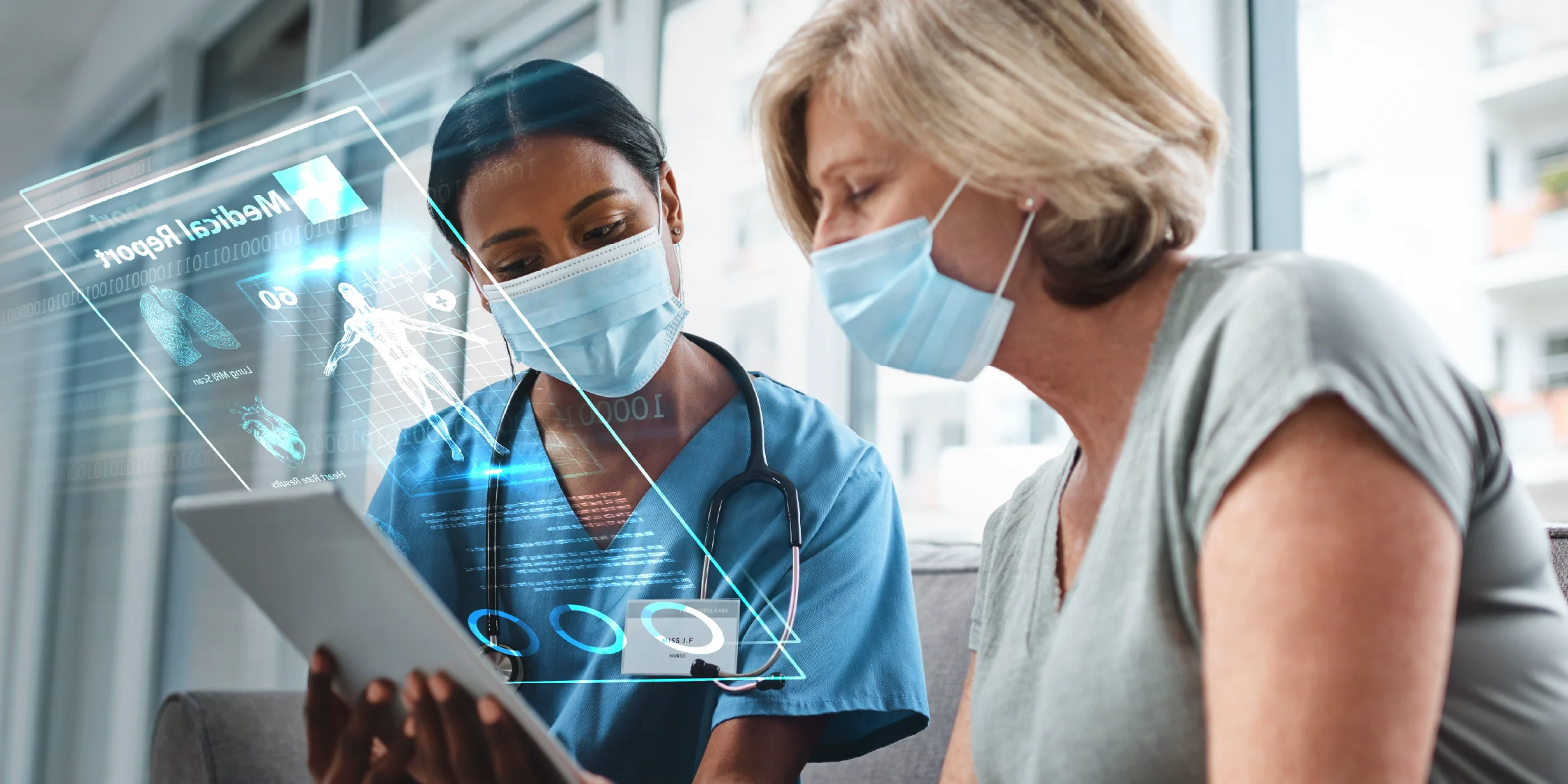
Healthcare today is more connected than ever, but ironically, many care homes and healthcare providers still work with disconnected systems. Patient records sit in one platform, communication happens through another, referrals are managed elsewhere, and care teams often rely on phone calls, emails, or even paper-based updates to fill the gaps. The information exists, but it is fragmented, difficult to access, and slow to act upon.
The result is delayed decisions, repeated tests, communication breakdowns, frustrated staff, and most importantly, compromised patient care. For care homes managing elderly residents, chronic conditions, rehabilitation, and long-term care, seamless coordination is not just important, it is essential.
That is why unified healthcare platforms are quickly becoming the backbone of modern care delivery. By bringing patient records, communication, care planning, referrals, and real-time updates into a single connected system, these platforms enable providers to work collaboratively, reduce inefficiencies, and make faster, more informed decisions.
The Real Problem: Fragmented Healthcare Systems
What is the biggest challenge healthcare providers face today?
The answer is simple: fragmentation.
Hospitals, specialists, care homes, pharmacies, and caregivers often rely on separate systems that do not communicate effectively with one another. This creates information silos that slow down care coordination, reduce visibility, and increase the risk of clinical errors.
Healthcare interoperability, the ability of systems to securely exchange and use patient data plays a major role in improving care coordination, reducing errors, and enabling smoother transitions between providers.
A modern healthcare data integration platform solves this by enabling secure, real-time data exchange across systems, ensuring that everyone involved in a patient’s care has the same complete and updated view.
In care homes, the impact of fragmented systems is even more significant because residents often receive support from multiple providers, including hospitals, specialists, pharmacies, rehabilitation teams, and home healthcare services. When these systems are not connected, important patient information can be delayed, overlooked, or lost entirely, increasing the risk of medication errors, duplicated tests, and gaps in care continuity.
Key Challenges Caused by Fragmentation
1. Residents Repeating Their Medical History
Imagine visiting a new doctor and having to explain your entire medical history again, it’s a common frustration caused by disconnected healthcare systems where patient data is scattered and not easily shared. This often leads to missing information, repeated tests, delays, and added stress for both patients and caregivers. With interoperable systems and a unified healthcare platform, providers can instantly access complete, up-to-date patient records improving both efficiency and care quality.
2. Breakdowns During Care Transitions
Switching between hospitals, specialists, and care homes is a high-risk point in healthcare where communication gaps often occur. When discharge summaries, medication updates, or follow-up instructions are delayed or incomplete, critical information can be lost, leading to missed appointments, medication errors, readmissions, and treatment delays. Health Information Exchange systems address this by enabling real-time electronic sharing of discharge summaries, care plans, and medication lists across providers, ensuring safer, more coordinated, and continuous patient care.
3. Duplicate Tests and Missing Records
When providers cannot access a complete patient history due to disconnected systems, duplicate tests are often ordered, and key medical details get missed. This fragmentation leads to higher costs, treatment delays, unnecessary patient burden, and increased clinical workload, while interoperability helps clinicians access unified records in real time and reduce redundant testing and information gaps.
4. Increased Medication Risks
Medication management is one of the most critical and sensitive aspects of elderly care. When systems are fragmented, medication lists, allergies, and treatment histories can become incomplete or outdated, increasing the risk of drug interactions, duplicate prescriptions, incorrect dosing, and preventable adverse events. Unified healthcare platforms help reduce these risks by giving care teams a complete, up-to-date patient record, enabling safer and more informed treatment decisions.
5. Documentation Delays and Compliance Issues
Care teams often struggle to reconcile information across disconnected systems, leading to delayed documentation, incomplete patient records, billing errors, compliance risks, and overall administrative inefficiencies. For already understaffed care homes, this adds significant pressure and reduces the time available for direct patient care. Unified healthcare platforms address this by centralising data and automating routine administrative tasks, helping staff work more efficiently and focus on residents.
6. Reduced Patient Trust
Poor patient experiences often arise when healthcare feels disconnected patients may receive inconsistent information, repeat their medical history, or face delays in coordination. This fragmented experience leads to confusion, frustration, and reduced engagement, ultimately weakening trust in the system. Connected healthcare platforms improve continuity of care by ensuring information flows seamlessly across providers, helping patients feel more supported, informed, and confident throughout their care journey.
What is a Unified Healthcare Platform
A unified healthcare platform is a centralised digital system that integrates clinical, operational, and communication workflows into a single connected environment. Instead of relying on multiple disconnected applications, healthcare providers can access all essential information in one place.
This includes patient records, medication history, allergies, care plans, referrals, appointment scheduling, team communication, alerts, and reporting enabling seamless coordination and improved care delivery.
How Unified Platforms Transform Care Homes
Unified platforms bring all healthcare processes into a single ecosystem, improving both care quality and operational efficiency. They centralise patient information, so care teams always work from a single, up-to-date record. Communication becomes instant and reliable through secure messaging and real-time alerts. Administrative tasks such as scheduling, referrals, and follow-ups are automated, reducing staff workload and improving response times.
They also enable better coordination across providers and offer data-driven insights to identify care gaps, optimise staffing, and improve long-term planning.
Bringing It All Together: Unified Care with infoHealth Solutions
At infoHealth Solutions, we understand that the future of healthcare depends on breaking down silos and connecting every part of the care journey. Our unified healthcare platform is designed to bring clinical, operational, and asset management systems together into one intelligent ecosystem.
With solutions such as our ThinkBio Omni® platform and AI-enabled care technologies, we help care homes and healthcare providers centralise patient and operational data, improve care coordination across teams and providers, reduce administrative burden through automation, enhance compliance, safety, and asset visibility, and enable real-time, data-driven decision-making. ThinkBio Omni® acts as a unified intelligence layer that connects data, devices, and workflows into a single, real-time ecosystem for care delivery. It enables predictive, AI-driven insights that help care teams move from reactive decision-making to proactive, personalised care.
By unifying fragmented systems into one connected platform, infoHealth Solutions empowers care homes to deliver safer, faster, and more efficient care while improving outcomes for both residents and caregivers.