Improving Equipment Uptime in Hospitals: Key Operational Strategies
Mar 17, 2026
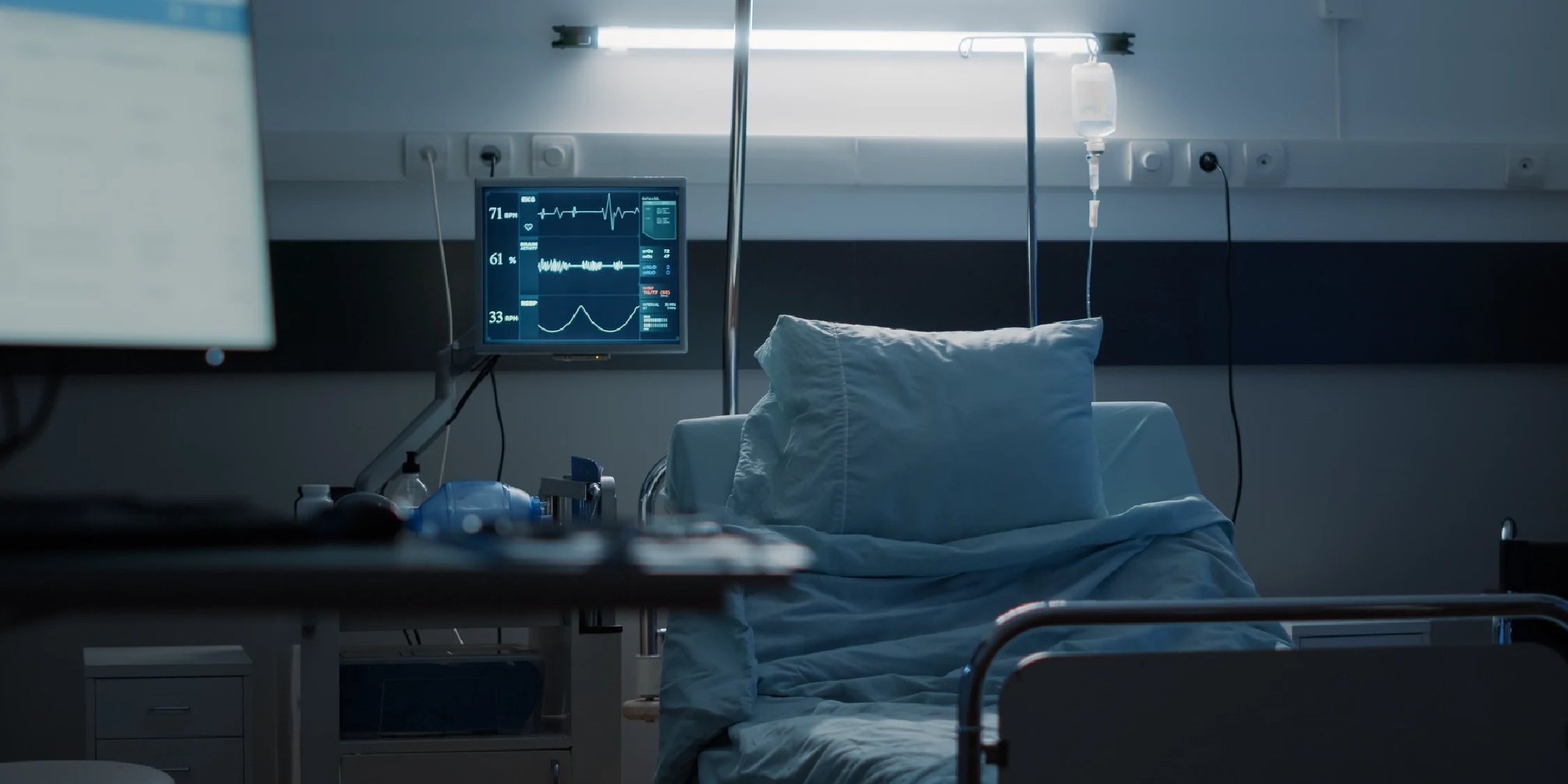
In hospitals, the term “equipment uptime” measures how often medical devices remain functional and ready for use. When devices like scanners, monitors, and life support systems work consistently, they facilitate prompt diagnoses and treatments, which are crucial for patient care. High equipment uptime leads to fewer interruptions, smoother workflows, and better patient outcomes. On the flip side, unexpected equipment breakdowns can cause disruptions and impact patient satisfaction negatively. By keeping an eye on uptime trends, hospitals can spot potential issues early and prioritise preventive maintenance to keep devices running optimally.
Effective Operational Measures to Increase Equipment Reliability
To improve equipment uptime in hospitals, healthcare facilities can implement several key operational strategies:
1. Build a Proactive Maintenance Framework
To develop a successful maintenance strategy, it’s crucial to move from merely responding to issues as they arise to planning ahead. Preventive maintenance plays a vital role here. By scheduling regular inspections and servicing based on both manufacturer guidelines and actual usage, organisations can identify potential problems early on. This approach not only curtails sudden failures but also prolongs the lifespan of equipment and enhances its dependability.
Predictive maintenance takes this further by employing data analytics and real-time sensor data to anticipate possible equipment failures before they occur. This method enables maintenance teams to schedule repairs at optimal times, eliminating unnecessary tasks and preventing disruptions in operations.
Combining these strategies transforms hospital maintenance practices from reactive to proactive, thereby increasing operational efficiency and minimising expensive, unexpected downtimes.
2. Technology-Driven Maintenance and Asset Tracking
A CMMS (Computerized Maintenance Management System) centralises asset data, automates work orders, and schedules preventive service so hospitals can avoid unexpected failures and maintain higher uptime. When paired with AI and predictive maintenance tools, real time IoT data helps forecast issues before they occur, reducing unplanned downtime and lowering maintenance costs.
Realtime monitoring and remote diagnostics boost reliability. IoT sensors like RFID and smart trackers show where devices are and how they are performing, triggering alerts when conditions stray from normal so teams can act quickly. Remote diagnostics let technicians assess and troubleshoot issues without being on site, speeding repairs and keeping critical equipment ready when patients need it most.
3. Strengthen Organisational Processes
Assign well-defined roles and duties for each piece of equipment to prevent any misunderstandings during maintenance, inspections, repairs, and compliance oversight. By implementing standard operating procedures (SOPs), teams can perform tasks consistently and safely, ensuring smooth operations.
Focus on the most vital assets by prioritising them based on their significance in clinical settings and how often they are used. Equipment like ventilators play a crucial role in patient care, should undergo more frequent checks and servicing compared to lower-risk devices. This approach ensures these life-saving tools remain reliable and safe for patients.
4. Improve Staff Capabilities & Culture
Start by offering comprehensive training for both clinical and technical personnel. This training should cover the proper use of equipment, basic troubleshooting techniques, and routine maintenance. Such knowledge empowers staff to recognise potential issues early, reducing the risk of equipment misuse.
Moreover, encouraging prompt reporting of any equipment problems emphasises the importance of correct handling practices. This proactive approach minimises errors and equipment breakdowns, contributing to a smoother workflow.
5. Optimise Resource Utilisation and Workflows
Hospitals can use digital inventory and asset management systems to monitor equipment availability and track usage, ensuring devices are used efficiently. This approach minimises the chances of equipment sitting idle or being under-used. By automating maintenance requests, updates, and approvals via mobile platforms, hospitals can enhance maintenance workflows and respond more quickly to issues.
Deploying mobile maintenance teams is another way to boost response times across hospital departments. Technicians, equipped with mobile tools and real-time access to equipment data, can address problems more swiftly. This not only cuts down repair delays but also increases the overall availability of equipment.
6. Use Data & Analytics to Guide Decisions
Hospitals can enhance their operations by examining how equipment is used and maintained over time. By recognising patterns and trends, they can anticipate future needs and make informed decisions about purchasing and upkeep. This insight allows staff to spot early signs of equipment trouble, preventing expensive repairs.
Predictive analytics takes this a step further by predicting potential equipment failures. This enables hospitals to schedule maintenance during less busy times, reducing interruptions in service. With this forward-thinking strategy, hospitals can decrease downtime and ensure that vital equipment is always ready for patient care.
By adopting these strategies, hospitals can enhance operational efficiency, improve patient care, and maintain the reliability of essential medical equipment.
Benefits of Reliable Medical Equipment Performance
Improving hospital equipment uptime provides several important operational and clinical benefits. Reliable and well-maintained equipment enhances patient safety by ensuring accurate diagnosis and uninterrupted treatment delivery. When medical devices function properly, the risk of errors, delays, or complications during clinical procedures is significantly reduced.
Another major advantage is cost reduction. Through preventive maintenance, hospitals can spot potential issues early, which reduces the need for costly emergency repairs and minimises unexpected equipment breakdowns. This proactive approach not only prolongs the life of medical devices but also cuts down on overall maintenance expenses.
Improved uptime also increases clinical efficiency. When equipment remains operational, hospitals can avoid treatment delays, reduce patient waiting times, and maintain a smooth workflow across departments. This improves patient flow and ensures that healthcare professionals can deliver timely care.
In addition, proper maintenance records support regulatory compliance and accreditation requirements. Accurate documentation of inspections, repairs, and servicing helps hospitals meet healthcare standards and pass regulatory audits.
Finally, higher equipment reliability leads to better resource utilisation. When devices function consistently, hospitals can maximise the use of their infrastructure, staff, and medical resources, ultimately improving operational performance and patient satisfaction.
Improving Healthcare Delivery through Equipment Maintenance
Ensuring that medical equipment functions smoothly play a crucial role in delivering safe and efficient healthcare. When hospitals only respond after equipment failures, they often encounter frequent breakdowns, leading to delays and increased expenses.
To prevent these issues, hospitals can take proactive measures. Scheduling regular preventive maintenance, using predictive monitoring tools, investing in Computerised Maintenance Management Systems (CMMS), and having skilled biomedical teams readily available are all important actions. These initiatives, combined with clear operational guidelines, significantly improve the reliability of medical equipment and streamline hospital operations.
By prioritising the upkeep of their equipment, hospitals not only enhance their operational efficiency but also elevate the quality and safety of patient care. This forward-thinking approach results in better healthcare outcomes and creates a more effective healthcare environment.