How Digital Transformation in Healthcare Is Enhancing Patient Care
Jan 05, 2026
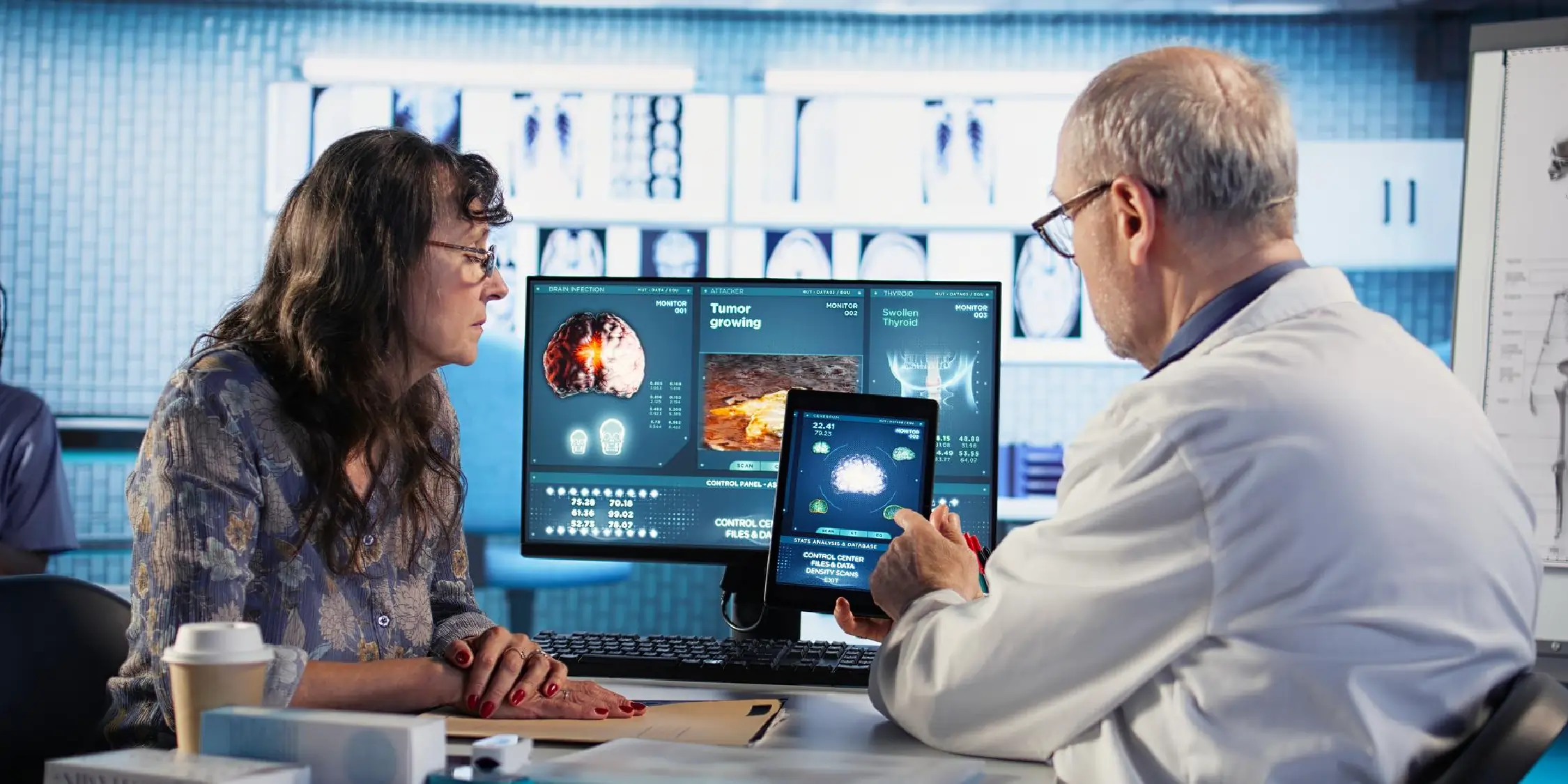
Digital transformation in healthcare is redefining how medical services are delivered and experienced. As technology evolves, healthcare providers are embracing digital health innovations to build modern healthcare systems that are more efficient, accessible, and secure.
This article explores how hospital digital transformation is improving clinical outcomes, streamlining workflows, and ensuring more personalised patient experiences.
1. Understanding Digital Healthcare Transformation
Digital transformation in healthcare is more than the adoption of new tools; it’s a shift in culture and mindset. It involves integrating digital technologies across all areas of medicine to foster innovation, collaboration, and patient-focused care.
Many modern healthcare systems use secure, cloud-based technology to handle patient information safely and effectively. Quick access to correct information helps doctors make quicker and smarter choices, while also lowering the chances of making mistakes.
According to the American Medical Association, nearly 70% of physicians believe that EHRs have significantly improved patient care quality.
2. Telemedicine and Patient Care Enhancement
One of the most visible benefits of digital healthcare transformation is the growth of telemedicine. It enables patients to consult healthcare professionals remotely through secure video calls or online messaging platforms thereby bringing quality care closer to those in remote or underserved areas.
Research published in Health Affairs shows that telehealth users report higher satisfaction and feel more engaged in their treatment. Telemedicine also reduces waiting times and helps healthcare providers manage more patients effectively, supporting the goal of continuous patient care enhancement.
3. Streamlining Operations Through Electronic Health Records (EHRs)
EHRs play a key role in changing hospitals into digital facilities. Instead of shuffling through stacks of paper, everything’s in one secure, central place. Medical histories, lab results, treatments, allergies, it’s all right there when you need it.
This improves coordination among care teams and reduces paperwork, leading to faster appointments and fewer administrative errors. Beyond convenience, EHRs are vital to maintaining secure healthcare systems that protect sensitive data and support seamless care.
4. Using Data Analytics in Digital Health Innovation
Digital health innovation thrives on data. By analysing clinical data trends, healthcare organisations can identify what treatments work best, predict risks, and design personalised care plans.
Predictive analytics also allows early detection of health risks. For instance, if data suggests a patient group is at higher risk of a certain condition, clinics can schedule preventive screenings before problems escalate. According to McKinsey & Company, hospitals using advanced analytics have improved patient outcomes by up to 30%. This demonstrates how digital transformation in healthcare turns data into actionable insights that drive better care quality.
5. Addressing Challenges in Digital Healthcare Transformation
Despite its benefits, digital healthcare transformation comes with challenges. The adoption of new technologies often requires significant investment, staff training, and adjustments to established workflows.
Patient trust is equally critical. Without robust cybersecurity, even the best innovations can fail. Maintaining secure healthcare systems through strong encryption, access control, and compliance with privacy regulations is essential. Healthcare organisations that invest in digital literacy easily will navigate these challenges more effectively and build lasting confidence in digital care solutions.
6. The Future of Modern Healthcare Systems
The next phase of digital transformation in healthcare will be shaped by Artificial Intelligence (AI), Machine Learning (ML), and wearable technologies.
AI-driven diagnostic tools can examine a lot of medical information to help doctors make quicker and more precise diagnoses. At the same time, health devices that you can wear keep track of important signs like heart rate. This helps both patients and doctors see health trends right away.
These technologies will improve patient care by allowing for earlier intervention and more personalized treatment.
7. Embracing Secure and Smart Healthcare Transformation
For modern healthcare systems to thrive, digital initiatives must prioritise three things: security, interoperability, and trust.
Building secure healthcare systems ensures patient data is protected while enabling hospitals, clinics, and labs to exchange information seamlessly.
Healthcare providers that foster a culture of innovation and continuous improvement grounded in security and ethics will lead the next wave of transformation, setting new standards for quality and reliability.
Final Insights
Digital transformation in healthcare is not just about adopting technology, it’s about redefining patient care for a digital world.
From telemedicine and EHRs to AI and data analytics, these innovations empower healthcare providers to deliver safer, faster, and more personalised care. As hospital digital transformation continues, the healthcare industry is moving toward a future defined by efficiency, precision, and trust.
By embracing this shift today, providers can ensure that patients benefit from smarter, more connected, and truly patient-centred care tomorrow.