Role of Condition-Based Monitoring in Healthcare Asset Management
Feb 18, 2026
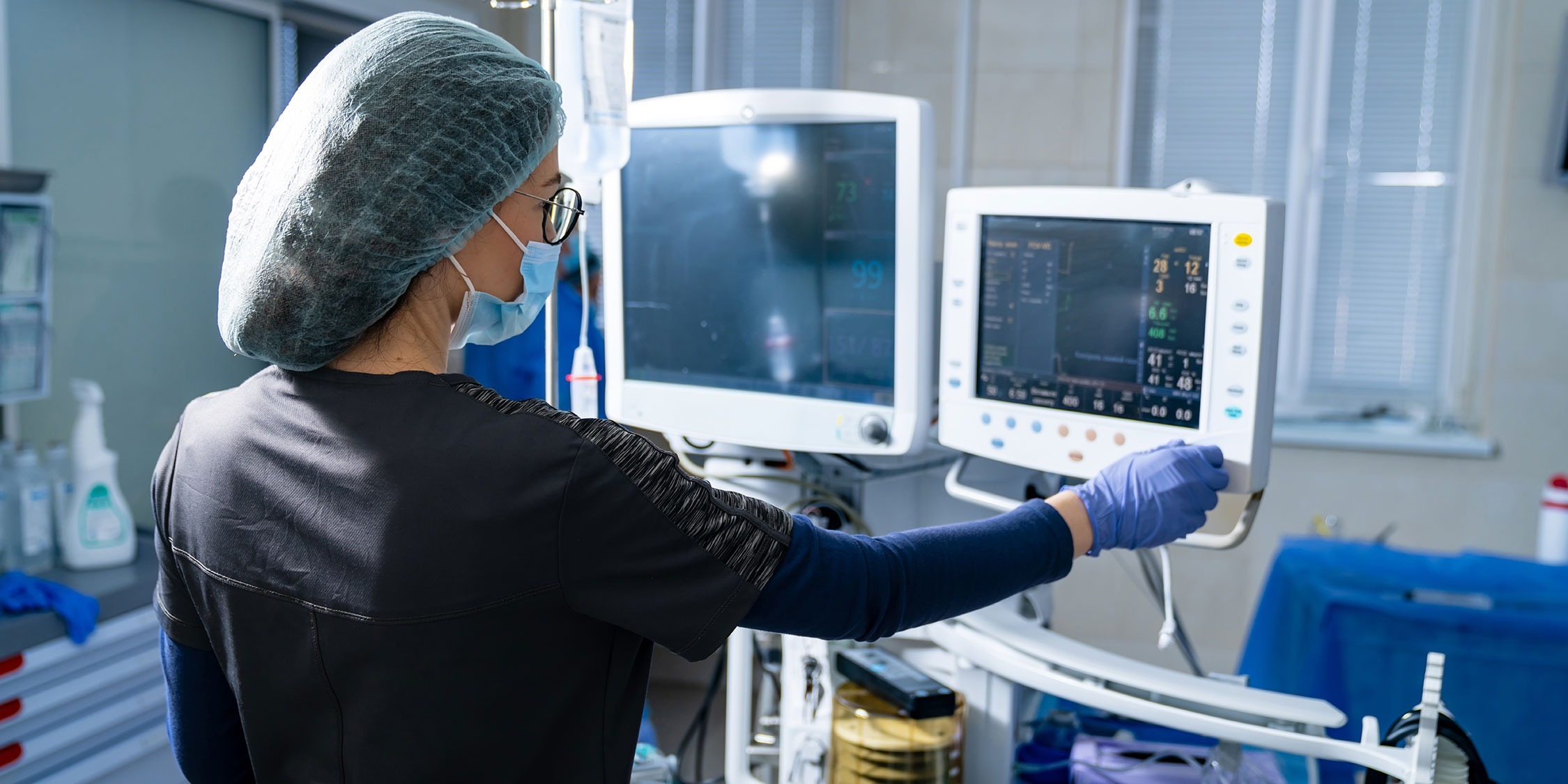
Ensuring the reliability of medical equipment is fundamental to patient safety and the effective delivery of care in healthcare environments. Hospitals and critical care facilities depend on a highly complex network of medical and life-support systems, where unplanned equipment failures can lead to severe clinical and operational consequences.
However, traditional maintenance paradigms are increasingly inadequate in these high-stakes settings. Reactive maintenance exposes healthcare organisations to costly emergency interventions and disruptive service outages, while time-based preventive maintenance follows fixed schedules that do not reflect actual equipment condition, leading to unnecessary servicing and inefficient resource utilisation.
Without a proactive, data-driven maintenance strategy, facilities remain vulnerable to unexpected breakdowns that compromise operational resilience and patient outcomes. In this context, Condition-Based Maintenance (CBM) emerges as a superior solution utilising real-time monitoring and analytics to optimise maintenance decisions, enhance asset reliability, and support the highest standards of clinical care.
Ensuring the reliability of medical equipment is fundamental to patient safety and the effective delivery of care in healthcare environments. Hospitals and critical care centres rely on a complicated system of medical and life-support machines. If these machines break down unexpectedly, it can cause serious problems for patient care and hospital operations.
However, traditional ways of maintaining systems are becoming less effective in these important situations. Reactive maintenance can lead to expensive emergency repairs and interruptions in service for healthcare organisations. On the other hand, time-based preventive maintenance happens on set schedules that do not take the actual condition of the equipment into account. This can result in unnecessary repairs and waste of resources.
If facilities do not have a proactive maintenance plan based on data, they risk facing sudden breakdowns. This can hurt their ability to operate smoothly and negatively affect patient care. In this situation, Condition-Based Maintenance (CBM) stands out as a better option. It uses real-time monitoring and data analysis to improve maintenance choices, increase the reliability of assets, and help provide the best quality of clinical care.
Condition-Based Monitoring: A Smarter Maintenance Strategy
Condition-based monitoring (CBM) is a proactive maintenance approach that uses real-time data to assess equipment health and determine when maintenance is truly needed. Instead of relying on fixed schedules, CBM helps detect early warning signs of failure, reducing downtime and improving reliability.
Vibration Analysis: monitors vibration levels in rotating machinery to identify issues such as misalignment, imbalance, or bearing wear.
Oil Analysis: examines lubricating oil samples for contamination, wear particles, and corrosion, helping detect internal component damage.
Thermography :uses infrared imaging to identify abnormal temperature changes that may signal overheating or electrical faults.
Acoustic Analysis: captures sound patterns from equipment to detect leaks, friction, or mechanical defects.
Electrical Monitoring: tracks parameters like voltage and current to identify overloads, insulation breakdown, or other electrical risks.
Together, these techniques enable maintenance teams to prevent failures, extend equipment life, and improve operational safety and efficiency.
The Importance of CBM in Healthcare Facilities
1. Enhances Equipment Reliability and Uptime
Unexpected equipment malfunctions can be expensive and, in the healthcare sector, potentially life-threatening. Condition-Based Maintenance (CBM) plays a crucial role in identifying problems early, preventing them from turning into major failures. This ensures that essential diagnostic and treatment machines are ready and functioning whenever patients require them.
2. Improves Patient Safety and Experience
Malfunctioning equipment can interrupt medical care, reduce patient comfort, and even jeopardise health outcomes. By detecting equipment wear and tear early, CBM helps prevent sudden breakdowns. This leads to more dependable healthcare services and instils greater trust and confidence among both medical staff and patients.
3. Optimises Costs and Capital Planning
Traditional preventive maintenance can often result in unnecessary servicing, which increases expenses and shortens the lifespan of equipment. Condition-Based Maintenance (CBM), however, only requires attention when necessary, cutting down on labour, parts, and emergency repair costs. Over time, this method offers insights into performance trends, aiding in more informed budgeting and capital expenditure decisions.
4. Supports Regulatory Compliance and Quality Standards
The healthcare industry operates under strict regulations concerning equipment performance, safety, and traceability. CBM systems offer documented proof of maintenance activities based on actual condition, simplifying the audit process and helping facilities meet compliance standards.
5. Extends Asset Lifespan and Performance
By tackling potential problems early, CBM minimises wear and tear that can otherwise lead to early equipment failure. Continuous monitoring ensures devices run efficiently over their lifespan, often postponing expensive replacements and optimising return on investment.
The Future of Healthcare Maintenance with CBM
Condition-Based Monitoring (CBM) revolutionises how healthcare facilities manage their equipment. This method uses continuous data assessment to determine when maintenance is genuinely needed, rather than relying on fixed schedules or waiting for equipment to fail. This proactive approach not only boosts the reliability and uptime of medical devices but also plays a crucial role in maintaining patient safety. By cutting down on emergency repairs and avoiding unnecessary maintenance tasks, CBM helps facilities save on costs.
Real-time data collection offers a clear view of each asset’s health, aiding in compliance and smarter financial planning. With CBM, healthcare providers can make informed decisions about budgeting and capital investments. Integrating this system enhances the durability and efficiency of medical equipment, ensuring essential systems are ready to support patient care whenever required.