Transforming Elderly Care Through IoT-Enabled Smart Care Homes
Jul 28, 2026
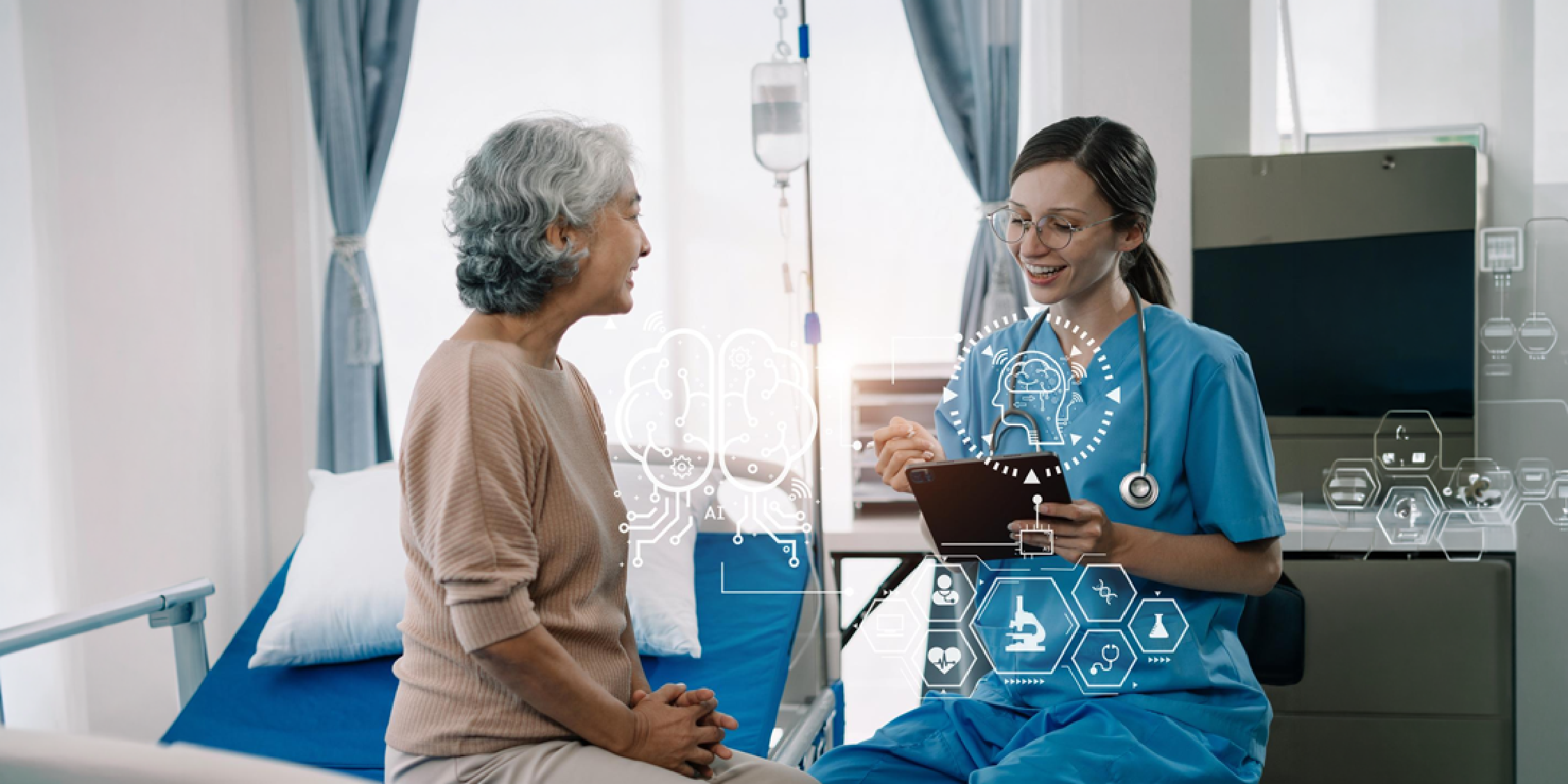
The rapid growth of the elderly population has created new challenges for healthcare systems across the world. Many older adults suffer from chronic diseases, reduced mobility, and cognitive impairments that require continuous care and monitoring. Traditional healthcare systems often struggle to provide timely and personalised support due to limited resources.
The Internet of Things (IoT) has emerged as a transformative technology that addresses these challenges by enabling smart, connected, and patient-centered care in smart care homes. These IoT-enabled healthcare systems use advanced healthcare IoT devices to enhance the quality of life for older individuals by ensuring continuous health monitoring, boosting safety, and providing prompt medical responses when needed.
What is IoT?
The Internet of Things (IoT) refers to a network of interconnected devices, sensors, and communication technologies that collect, transmit, and analyse data in real time. These devices communicate with each other through the internet, allowing healthcare professionals and caregivers to remotely monitor the health and daily activities of elderly residents. IoT integrates wearable devices, smart sensors in healthcare, home automation systems, and cloud computing to provide intelligent healthcare services.
Need for IoT in Elderly Care
Elderly individuals often experience multiple chronic illnesses such as diabetes, hypertension, cardiovascular diseases, arthritis, and dementia. Many also face mobility limitations and cognitive decline, making continuous supervision essential. Traditional healthcare systems rely heavily on periodic hospital visits and manual observation, which may delay the identification of medical problems. IoT overcomes these limitations by enabling continuous monitoring, early diagnosis of health issues, and immediate medical response. This patient-centred approach improves treatment outcomes while allowing elderly residents to maintain greater independence.
Major Applications of IoT in Smart Care Homes
IoT applications in smart care homes enhance elderly care by enabling connected, efficient, and personalised healthcare solutions. These include remote health monitoring, fall detection, medication management, smart home automation, and telehealth services. By using sensors and smart devices, IoT helps caregivers provide timely support, improve resident safety, and enhance the overall quality of care.
• Remote Health Monitoring
IoT-enabled wearable devices and connected medical devices continuously monitor vital signs such as heart rate, blood pressure, body temperature, blood oxygen saturation, respiratory rate, and blood glucose levels. The collected information is transmitted in real time to healthcare professionals, allowing them to identify abnormal health conditions before they become serious. Continuous monitoring reduces unnecessary hospital admissions and improves chronic disease management.
• Fall Detection and Emergency Assistance
Falls are among the most common causes of injuries in elderly people. IoT-based fall detection systems use wearable sensors, accelerometers, motion detectors, and smart cameras to identify falls instantly. Once a fall is detected, emergency notifications are automatically sent to caregivers, nursing staff, or family members, ensuring immediate assistance and reducing the severity of injuries.
• Medication Management
Managing multiple medications can be challenging for elderly residents. Smart medication management systems provide automatic reminders through mobile devices or smart pill dispensers. These systems record medication schedules, monitor compliance, and notify caregivers if a dose is missed. This helps reduce medication errors and improves treatment effectiveness.
• Smart Home Automation
IoT transforms traditional care homes into intelligent living environments through automated lighting, temperature control, smart locks, motion sensors, voice assistants, smoke detectors, and energy management systems. These technologies increase comfort, improve safety, and enable elderly residents to perform daily activities with minimal assistance.
• Personalised Care Plans
IoT systems continuously collect data on residents’ physical health, daily routines, sleep patterns, mobility, and behaviour. Healthcare providers use this information to develop individualised care plans based on each resident’s specific needs. Personalised treatment improves healthcare quality and enables timely modifications to care plans as residents’ conditions change.
• Real-Time Communication
IoT devices facilitate effective communication among residents, caregivers, doctors, and family members. Video conferencing, mobile healthcare applications, voice assistants, and emergency communication systems help elderly individuals remain socially connected while allowing healthcare providers to coordinate care efficiently. Improved communication also reduces feelings of loneliness and social isolation among elderly residents.
• Improved Operational Efficiency
IoT enhances the management of smart care homes by automating routine administrative tasks. Smart inventory systems monitor medical supplies and automatically generate purchase requests when stock levels become low. Automation enables caregivers to spend more time providing direct patient care instead of performing repetitive administrative work.
Benefits of IoT in Care Homes
The implementation of IoT in smart care homes offers several benefits for elderly residents, caregivers, and healthcare providers. Healthcare IoT devices enable continuous health monitoring by tracking vital signs in real time and allowing early detection of health problems, which leads to timely medical intervention. Smart systems improve resident safety through fall detection and emergency alerts, while automated medication reminders help ensure proper medication adherence.
IoT also supports personalised healthcare by analysing individual health data to create customised care plans. In addition, it enhances communication among residents, caregivers, healthcare professionals, and family members, improving coordination of care. By promoting independent living, reducing hospital visits, lowering healthcare costs, and automating routine tasks, IoT significantly improves the overall quality of care and operational efficiency in smart care homes.
Future Outlook of IoT in Smart Care Homes
The Internet of Things (IoT) is revolutionising smart care homes by crafting a connected, intelligent, and resident-focused environment. Using interconnected sensors, wearable devices, and smart systems, IoT offers continuous health monitoring and tailor-made care, allowing for timely medical interventions. Caregivers can keep track of residents’ health, whereabouts, and daily activities from afar, enhancing communication among healthcare professionals, caregivers, and family members.
IoT also streamlines the management of medical equipment and inventory while optimising facility operations, which cuts down on manual workloads and reduces costs. The wealth of data from IoT devices helps identify health trends and predict possible risks, aiding in sound clinical decision-making.
By boosting the quality of care, promoting independent living, and enhancing safety, IoT makes smart care homes more efficient. This prepares them to better serve the growing needs of an aging population.