Managing High-Value Medical Devices Across Hospital Departments
Feb 04, 2026
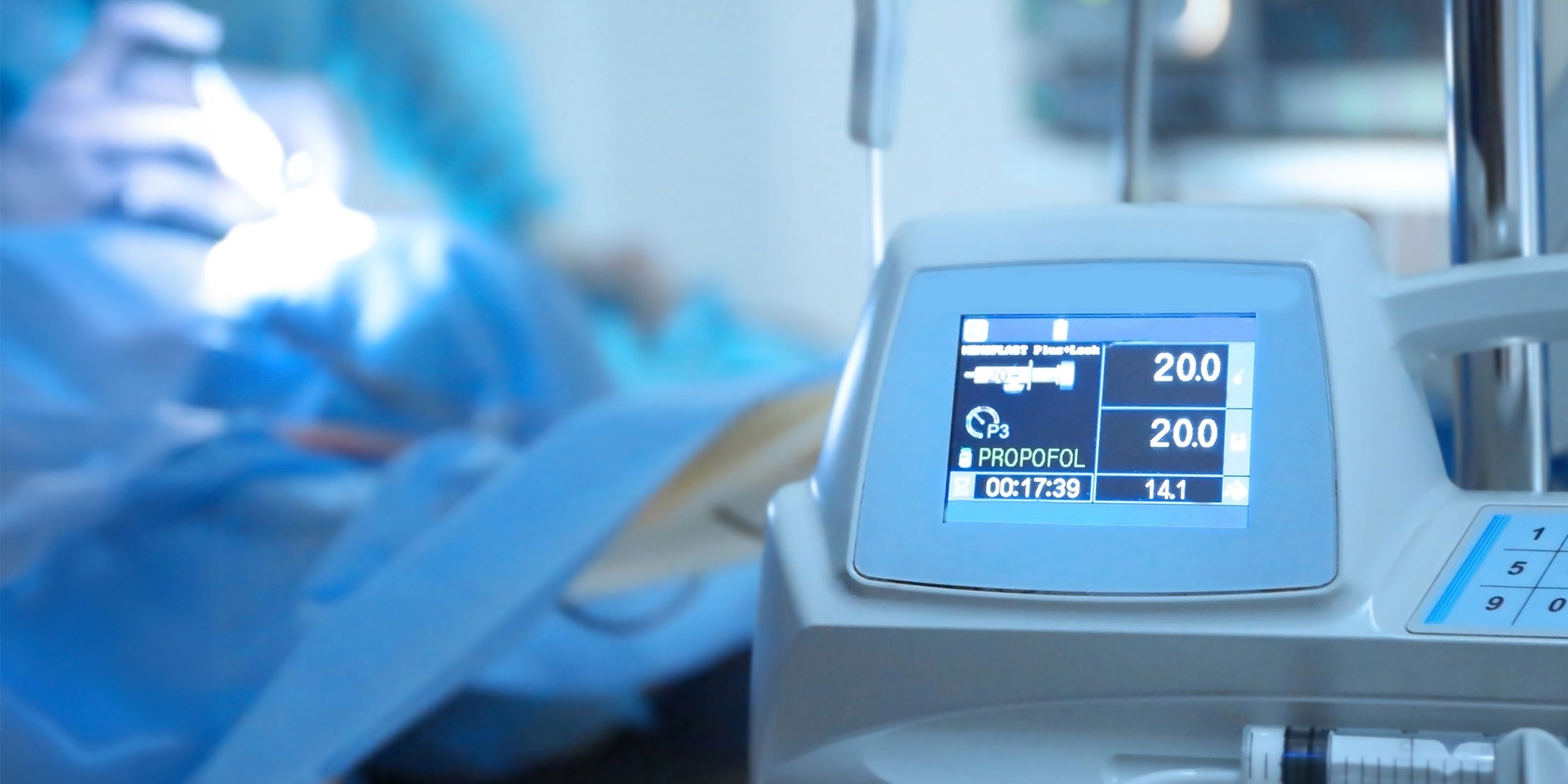
High-value medical devices like MRI and CT scanners, ventilators, infusion pumps, and surgical robots play a key role in today’s healthcare. These devices are important investments and are essential for providing safe and high-quality care to patients. It is important to manage their use in hospital departments effectively to keep operations running smoothly, control costs, and improve patient care.
Maximising Value Through Healthcare Asset Management
Healthcare asset management involves tracking, managing, and optimising the use of physical assets within a healthcare facility. This encompasses both high-value medical devices and everyday items essential for patient comfort and safety.
Effective asset management provides several key benefits:
• Better visibility and control of inventory mean understanding what items are available, where they are located, and when they can be accessed
• Strong supply chains help businesses keep running smoothly, even when unexpected events happen.
• Make sure resources are used wisely by getting the most out of our equipment and staff.
• Reduce waste by avoiding unnecessary buying and keeping equipment from sitting unused.
• Improved readiness and ability to grow allowing hospitals to adjust to changing patient demands.
Medical devices are very important for diagnosing illnesses, treating patients, monitoring health, helping with recovery, and providing overall care. Good management leads to better care for patients, helps with running the clinic or hospital well, and lowers the chances of problems from broken or misused equipment.
Obstacles in Medical Equipment Oversight
Despite their importance, hospitals face several challenges in managing high-value medical equipment:
• Optimising Device Usage
Many devices are not used enough because of problems with scheduling, not enough training for staff, or not being able to see how they are being used in real-time. When usage is low, the cost for each procedure goes up, and the return on investment goes down.
• Maintenance and Downtime
When equipment stops working, it can interrupt important services, slow down diagnoses, and affect patient care. Regular maintenance plans usually do not match how much equipment is really used, which can result in surprise failures.
• Comprehensive Device Tracking
Devices often change departments or locations without being tracked properly. When hospitals can’t see their equipment in real time, they have a hard time finding it. This leads to buying extra items or leaving some devices unused.
• Compliance and Documentation
Devices that are valuable need to follow strict rules and safety guidelines. Keeping up with rules means you need to keep careful records and have documents ready for review.
Strategies for Effective Device Management
Hospitals can overcome these challenges by adopting a combination of technology, process, and people-focused strategies:
• Implement Real-Time Tracking
RFID and IoT sensors and barcode systems to enable real-time monitoring of device location and usage and device condition. The system enables scheduling improvements and decreases search durations and guarantees.
• Adopt Predictive Maintenance
Predictive maintenance uses device performance data to identify potential problems that will lead to critical system interruptions. The method decreases equipment downtime while decreasing repair expenses and extending the operational life of machinery.
• Centralise Asset Management
The centralised platform enables all departments to access information about device availability and usage data and maintenance schedules. The centralised system enables efficient procurement processes while it prevents equipment duplication and simplifies the reporting function.
• Train Staff and Standardise Workflows
Staff members require training to operate equipment properly while they need to learn standard procedures for booking usage and maintenance reporting. Asset management systems depend on both people and technology for their successful operation.
• Continuous Performance Monitoring
The organisation monitors device usage statistics and equipment downtime and maintenance expenses and operational capacity during medical procedures. The organisation uses continuous monitoring to discover useful information that helps them distribute resources better and boost their operational effectiveness.
Key Takeaways for Medical Device Management
The effective administration of high-value medical equipment throughout hospital departments needs both technological solutions and operational procedures and trained personnel.
The fundamental elements of a successful system include real-time tracking and predictive maintenance and centralised management and staff training, and continuous monitoring.
The implementation of these practices enables hospitals to safeguard their capital investments in high-cost equipment while improving patient treatment and operational efficiency and building a secure and trustworthy medical environment. The modern healthcare sector requires device management to function as an operational process which helps organisations achieve their objectives of delivering high-quality patient care and ensuring patient safety.